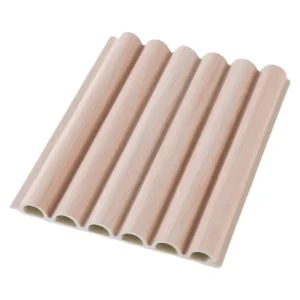
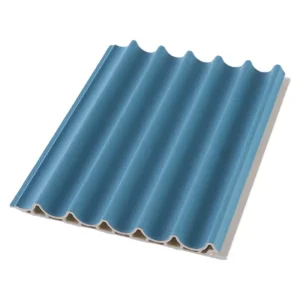
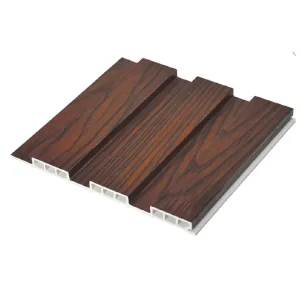
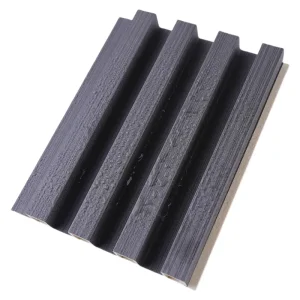
The Central African Republic (CAR), particularly urban hubs like Bangui, Bimbo, and Mbaïki, is undergoing a rapid architectural transformation. Modern commercial developments, hotels, and upscale residential complexes are seeking building materials that can match global design trends while withstanding the intense local climatic conditions. High humidity, sudden rainfall shifts, termite infestations, and fluctuating thermal patterns make traditional drywall and natural timber panels highly susceptible to warping, mold, and premature decay.
To address these structural issues, developers and engineering consultants in the Central African Republic are pivoting toward Wood-Plastic Composite (WPC) wall panels. Combining the aesthetic richness of wood with the durable structural traits of advanced polymers, WPC offers a long-term, low-maintenance, and eco-friendly cladding solution.
By shifting from organic timber to advanced indoor extrusion polymers, builders minimize deforestation pressures within the Congo Basin while acquiring class-leading B1 fire resistance, 100% moisture waterproofing, and comprehensive pest prevention.
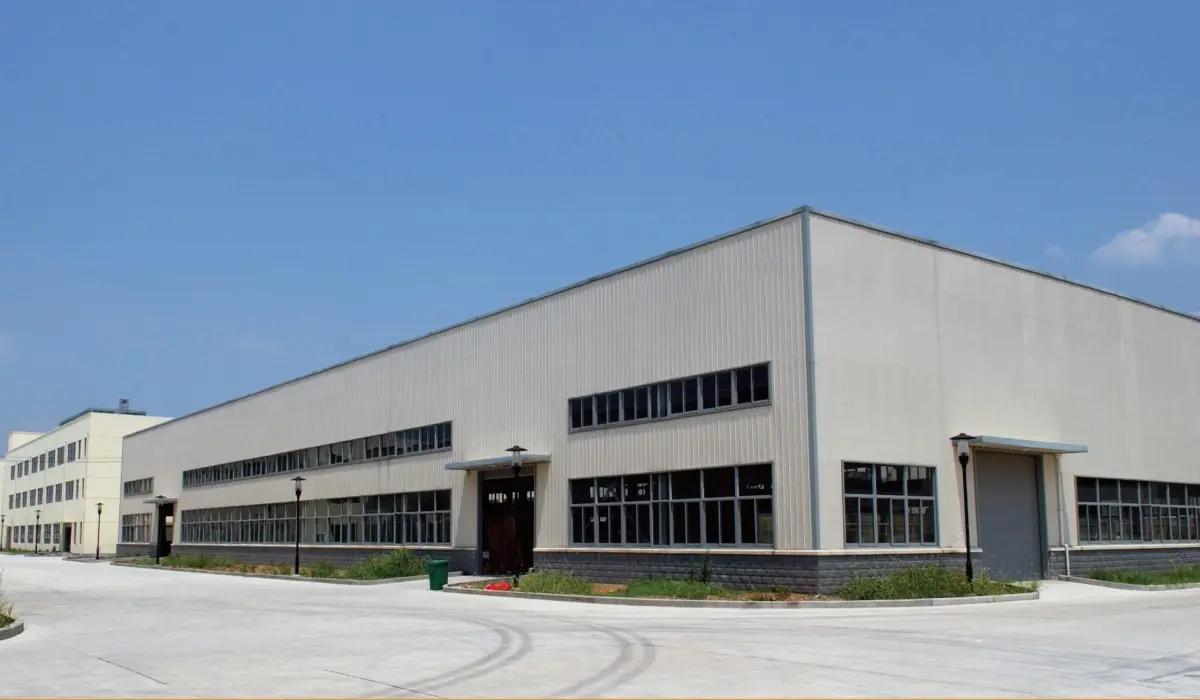
Linyi Senli New Material Co., Ltd., based in Linyi, Shandong—China's logistics capital—is at the forefront of the technological and volume shift in composite materials. The local Central African Republic market benefits immensely from Chinese production capabilities through optimized raw material procurement, advanced automated extrusion technologies, and massive scale efficiencies.
High-precision twin-screw extruders ensure uniform cell structure and density, crucial for preventing warping under hot tropical sunlines.
Our strategic base in Linyi links directly to Qingdao and Lianyungang ports, facilitating container shipments to Douala (Cameroon) for land transit into CAR.
Strict formulation controls guarantee that no recycled heavy metals or hazardous solvents are used, achieving global E0 emission classes.
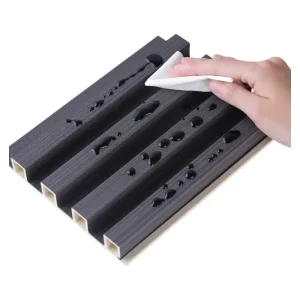
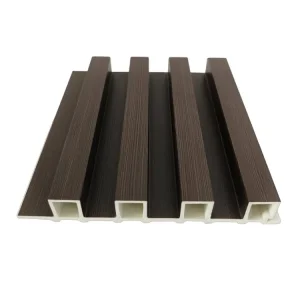
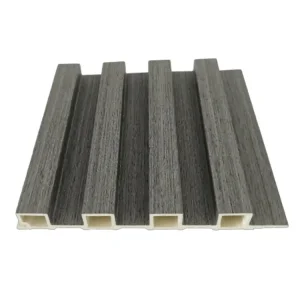
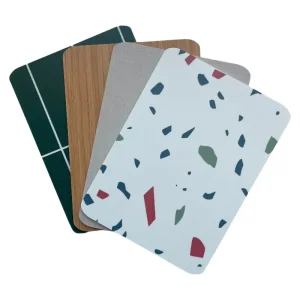




Unlike interior panels manufactured using standard MDF, softwoods, or low-density polymers, our advanced WPC formulations utilize a precise ratio of finely milled wood flour and virgin polyvinyl chloride (PVC) polymers, coupled with impact modifiers and heat stabilizers. This creates an inorganic-organic hybrid matrix that offers exceptional resistance against environmental degradation.
In regions near the Ubangui River, seasonal humidity levels regularly reach up to 90%. Under these conditions, traditional wood and gypsum products absorb airborne moisture, causing structural swelling, adhesive failure, and toxic black mold growth. Our WPC and SPC panels feature a closed-cell polymer structure with water absorption rates of less than 0.5% over extended submersion periods. This ensures they remain dimensionally stable and sanitary throughout their service life.
Public building codes in Central African commercial sectors are increasingly adopting strict fire protection requirements. By incorporating high-performance inorganic flame retardants into our polymer compounds, our WPC wall panels achieve a Class B1 fire rating. They do not easily ignite, slow down the spread of flames, and produce minimal non-toxic smoke in the event of a fire, providing valuable time for building evacuation.
Termites present a significant challenge for wood structures in sub-Saharan Africa. Since WPC panels incorporate PVC polymers that encapsulate the cellulose fibers, they are completely unappealing to termites and other wood-boring insects, eliminating the need for hazardous chemical pesticide treatments in residential and commercial spaces.
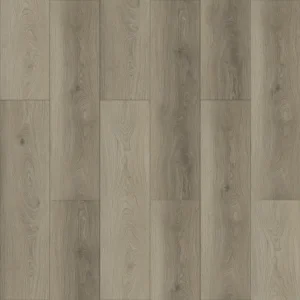
"Quality, Professionalism, and Trust"—Bringing Sustainable High-Quality Green Living Solutions to Global Spaces.
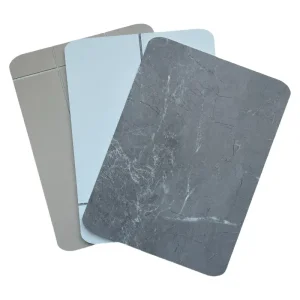
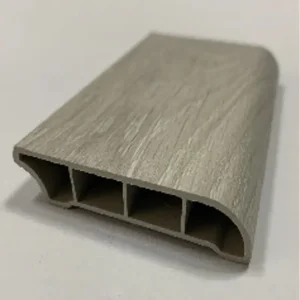
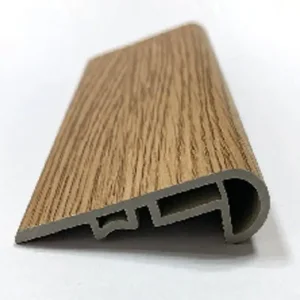
Linyi Senli New Material Co., Ltd. is located in Linyi City, Shandong Province, China. We are a professional manufacturer engaged in the research, development, sale, and service of SPC flooring, SPC wall panels, PVC marble sheets, and WPC wall panels designed primarily for indoor decoration.
With a daily production capacity of up to 30,000 square meters, we employ dedicated batching technicians, R&D engineers, and QA production departments to ensure consistent product quality. Our products are formaldehyde-free, environmentally friendly, healthy, waterproof, flame-retardant (Class B1), and tough, making them easy to transport and install. As an important SPC and WPC manufacturer in northern China, we export globally to markets in Europe, Southeast Asia, the Middle East, Australia, New Zealand, and expanding commercial sectors across Africa.
Our manufacturing philosophy focuses on developing healthy, fashionable, and customizable spaces. By utilizing advanced production machinery, choosing selected raw materials, and applying rigorous quality controls, we aim to meet the performance and aesthetic demands of commercial, hospitality, educational, and healthcare interiors worldwide.
Our WPC wall panels are engineered with a wood-plastic composite matrix that encapsulates wood fibers in a moisture-resistant PVC barrier. With a water absorption rate close to zero, they do not swell, warp, or support mold growth, making them highly suitable for tropical areas like Bangui.
We typically ship in 20ft or 40ft containers from Qingdao Port, China, to the port of Douala, Cameroon. From Douala, the cargo is transported overland via the Douala-Bangui logistics corridor. The average transit time from our factory to Bangui is between 45 to 60 days, including custom clearance processes.
No. Linyi Senli WPC panels are manufactured using a physical extrusion process without the use of formaldehyde-based adhesives. They achieve an E0 environmental rating, ensuring they are safe for immediate installation in sensitive indoor environments like residential buildings, hospitals, and schools.
For best results, we recommend mounting a light steel or timber batten framework on uneven walls first, and then securing the WPC panels using metal clips and screws. For flat, plastered drywalls, the panels can be adhered directly using heavy-duty polyurethane structural adhesives.
Unlike natural timber, which is highly combustible, our WPC panels contain flame-retardant additives that allow them to achieve a Class B1 fire rating. This means they are difficult to ignite, slow down flame spread, and self-extinguish when the direct flame source is removed.
Get in touch with our engineering team for free samples, customized design profiles, structural parameter sheets, and direct-from-factory volume quotes.
 Senli New Material