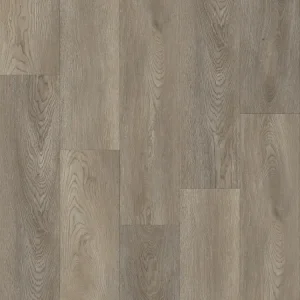
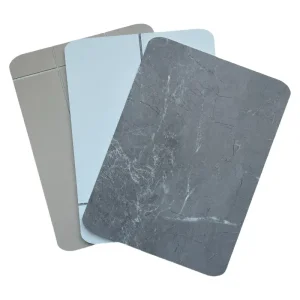
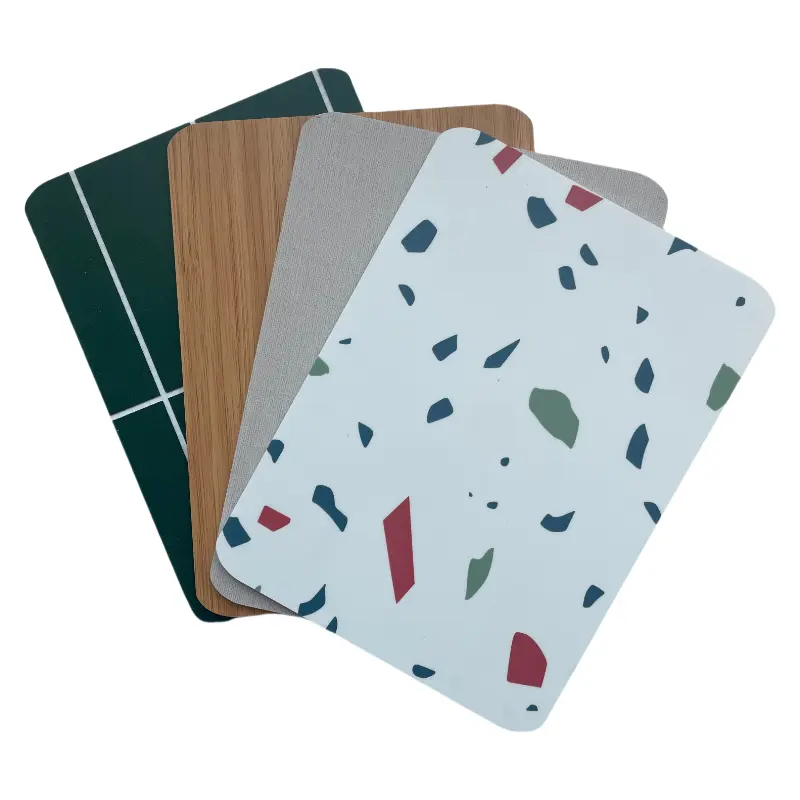
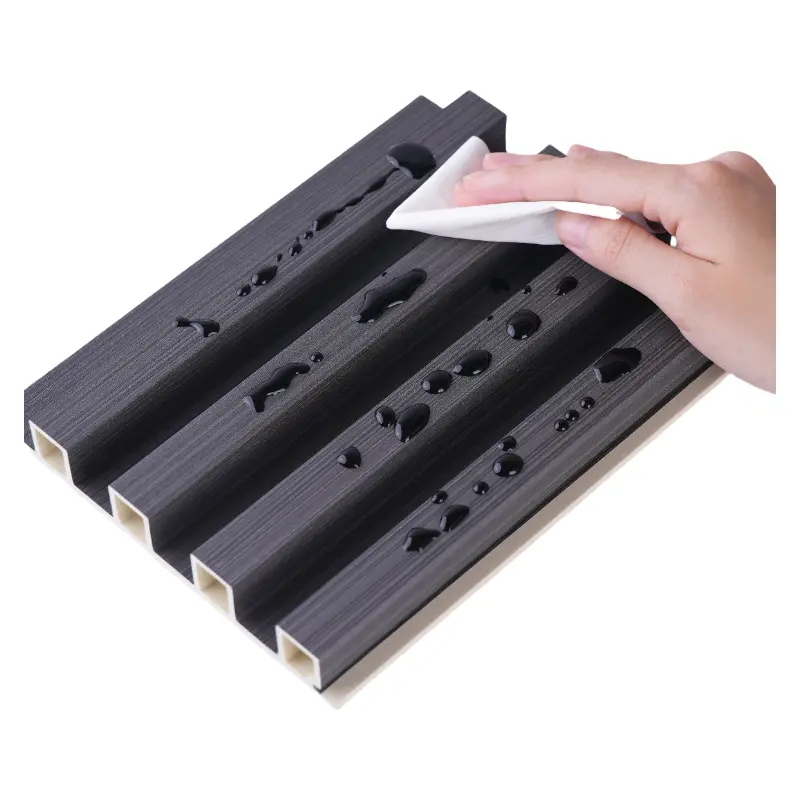
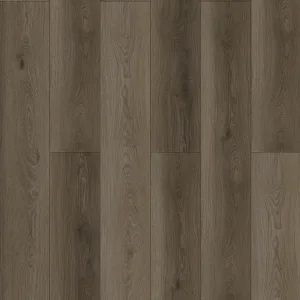
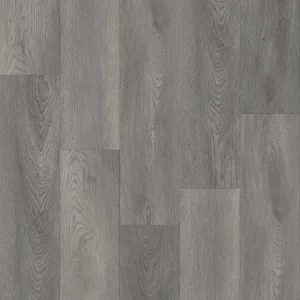
Explore our premium engineered vinyl floor solutions featuring advanced locking technology and robust structural stability.
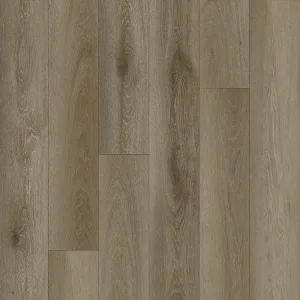

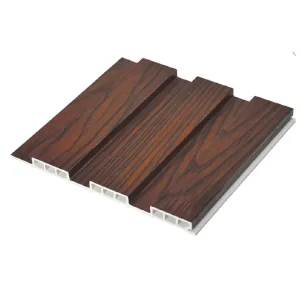
Strategically situated in Linyi City, Shandong Province—widely recognized as China's premier logistics capital—Linyi Senli New Material Co.,Ltd stands at the forefront of the advanced architectural polymer industry. We operate a highly specialized manufacturing complex dedicated to the systematic research, technological development, scale production, and global supply of high-grade Stone Plastic Composite (SPC) flooring, SPC wall panels, PVC marble sheets, and Wood Plastic Composite (WPC) interior wall systems.
Our commitment to rigorous engineering standards guarantees that every square meter produced satisfies critical environmental and mechanical performance thresholds. With an institutional focus on decarbonization and non-toxic interior ecosystems, our products are engineered to be 100% formaldehyde-free and boast the prestigious ENF health certification. Underpinning our technical execution is a robust production capability, reaching up to 30,000 square meters per day, coordinated by our seasoned R&D engineers, expert chemists, and precise quality assurance teams.
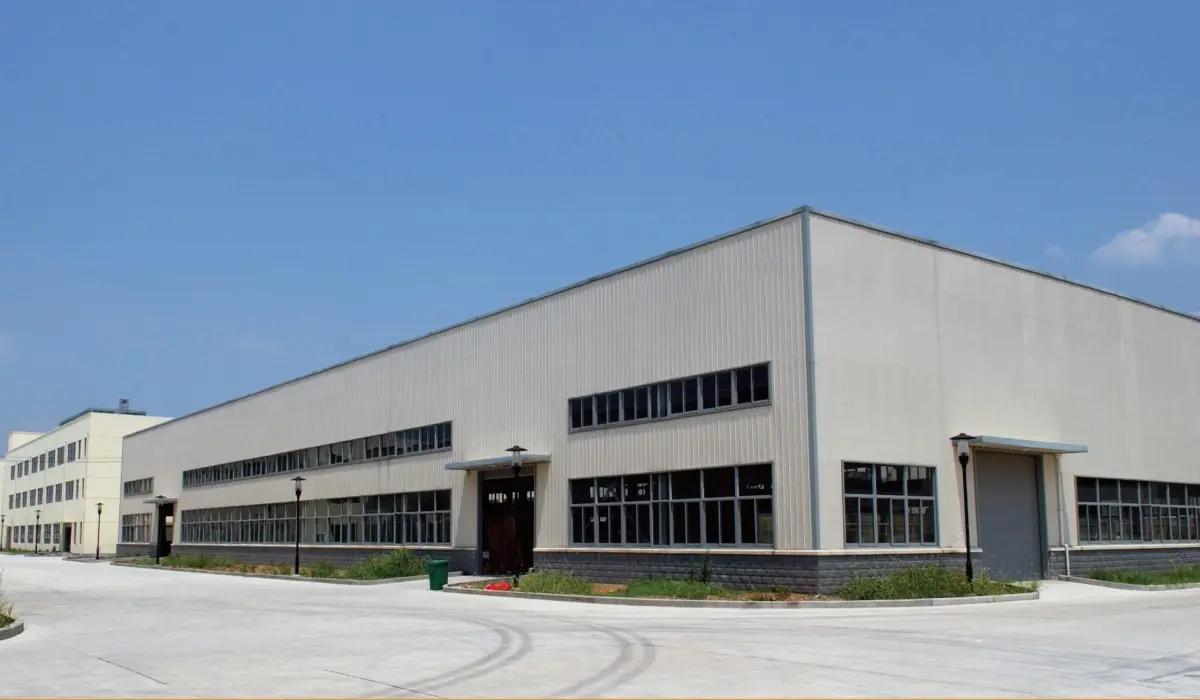
Adhering to the core brand value of "Quality, Professionalism, and Trust," Senli New Material utilizes its deep-seated expertise in SPC extrusions to deliver elite, green interior surfaces. We believe that modern commercial and residential spaces should not compromise on safety or environmental integrity. Our research and development target the intersection of structural physics and interior aesthetics, allowing us to pioneer solutions that cater to high-traffic, demanding environments such as boutique hotels, medical institutions, learning facilities, and high-end residential complexes.
Our conceptual focus is built on the pursuit of the "fashionable, healthy, free, and individual" lifestyle. By selecting only high-grade, virgin calcium carbonate powders and high-purity polyvinyl chloride polymers, we eliminate the heavy metal stabilizers and plasticizers common in lower-tier manufacturing. Senli flooring represents an uncompromising standard where physical resilience meets pure indoor air quality.
An in-depth technical analysis of material composition, manufacturing dynamics, and global trade factors influencing SPC procurement.
China's dominance in SPC manufacturing stems from a highly integrated industrial cluster. The Shandong and East China corridors house raw material refineries, machinery engineering facilities, and transport networks in close proximity. This localized supply chain minimizes transit costs for calcium carbonate and PVC resins, allowing factories like Linyi Senli to achieve unparalleled economies of scale. High-capacity extrusion lines coupled with automated slotting systems ensure that high quality matches competitive cost structures.
Rigid core vinyl flooring relies on a composite core of natural limestone powder (CaCO3) and PVC thermoplastic. Next-generation extrusion lines utilize parallel twin-screw extruders with real-time temperature control to avoid material degradation. By optimizing the ratio of plasticizer-free carrier resin to calcium carbonate, manufacturers ensure dimensional stability. The resulting rigid core resists thermal expansion, allowing installation in areas with large temperature swings without gapping or cupping.
For international buyers, compliance with environmental and physical safety regulations is critical. Top-tier manufacturers subject their products to third-party labs to verify compliance with EN 14041 (CE mark for Europe), FloorScore (low VOC emission certification for North America), and various fire ratings (ASTM E648 / EN 13501-1 Class Bfl-S1). Ensuring certified compliance mitigates import risks and guarantees that products satisfy local building codes and indoor air quality standard benchmarks.
The fundamental architecture of Stone Plastic Composite (SPC) flooring represents a significant evolution in resilient surface engineering. Unlike traditional Luxury Vinyl Tile (LVT), which consists of flexible PVC layers laminated together, SPC introduces a core layer characterized by its high concentration of minerals (typically 65% to 75% calcium carbonate paired with 25% to 35% polyvinyl chloride stabilizer formulations). This precise ratio achieves a Shore D hardness that effectively resists static load indentations from heavy furniture and high foot traffic.
Above this mineral-dense core sits the high-definition print film, followed by a crystalline wear layer, and finally, a cross-linked UV surface treatment. Advanced factories now use a double UV-curing process. This creates a hard surface that scatters light to hide micro-scratches and blocks UV rays from fading the flooring under direct sunlight. On the backing, manufacturers laminate acoustic underlayments—such as cross-linked polyethylene (IXPE) or high-density ethylene-vinyl acetate (EVA)—to provide dampening, absorb impact sound (IIC/STC ratings), and smooth out minor subfloor imperfections.
Extrusion is the core phase of SPC manufacturing. Inside a modern Chinese facility like Linyi Senli, raw materials are dry-blended in automated batching systems to ensure chemical homogeneity. The formulation is then fed into a counter-rotating twin-screw extruder. Under precise heat (typically between 175°C and 195°C) and extreme shear pressure, the PVC polymer matrix fuses with the calcium carbonate particles, forming a continuous sheet of molten composite.
As this sheet exits the T-die, it passes through a multi-roll calendar stack. Here, the wear layer and decorative print film are thermally laminated directly to the core. This process uses heat and pressure instead of adhesives, preventing future delamination. Once cooled, the sheets are coated with UV protection, cut into planks, and profiled with high-precision milling machines to create locking joints like Unilin or Välinge click systems.
Sourcing SPC flooring from China requires a clear understanding of shipping logistics and weight constraints. Because of its high stone content, SPC is exceptionally heavy compared to wood laminate or standard LVT. A standard 20-foot container (FCL) reaches its weight limit (usually around 27 metric tons) before it is filled by volume. Procurement managers must coordinate with factory logistics teams to calculate box quantities, pallet weights, and container load layouts.
Linyi’s position as a national logistics hub streamlines inland transit to major shipping ports like Qingdao. This proximity reduces domestic drayage costs and keeps FOB/CIF pricing competitive. When negotiating procurement terms, global buyers should request detailed packing lists that specify net and gross weights per pallet. They must also confirm that local port equipment can handle heavy-load containers to avoid unexpected demurrage fees.
Adapting Stone Plastic Composites to specific environmental demands, structural designs, and architectural requirements.
For hotels, restaurants, and retail spaces, flooring must balance design with durability. High foot traffic, spilled liquids, and dragging luggage demand a heavy-duty wear layer (0.5mm to 0.7mm) and a scratch-resistant UV coating. SPC's waterproof properties prevent moisture damage from frequent cleaning. At the same time, realistic wood and stone patterns create a premium look without the high maintenance costs of natural materials.
Hospitals, clinics, and schools require materials that support hygiene and indoor air quality. Our ENF-certified, formaldehyde-free SPC flooring emits zero toxic gases, supporting healthy indoor environments. The seamless, adhesive-free click lock system prevents bacterial growth in joints. Additionally, pre-attached IXPE backing dampens sound, helping create quieter classrooms and healing environments.
Pre-fabricated and modular construction requires lightweight yet structurally stable materials that install quickly. SPC wall panels and interlocking floor tiles speed up installation and require minimal tools. They resist changes in humidity and temperature, making them ideal for shipping containers and modular pods that are transported across different climates.
Pioneering design concepts combining aesthetic versatility with next-generation architectural materials.
Direct technical answers addressing the core questions of architects, structural designers, and sourcing specialists.
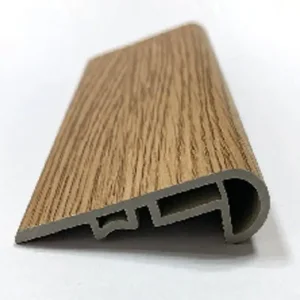
Complete project solutions featuring moisture-proof wall claddings, transitions, and installation accessories.
 Senli New Material