In recent years, SPC tile flooring has gained immense popularity in the construction and design industries. Its durability, water resistance, and stylish options appeal to a wide range of consumers. However, with so many manufacturers available, it can be overwhelming to choose the right one. Understanding the most reputable SPC tile flooring producers in China is crucial for making informed purchasing decisions.
This article highlights the top ten SPC tile flooring manufacturers that stand out in the market. Each company brings unique expertise and innovation to the table. They have established themselves as leaders not just in product quality, but also in customer service. Selecting the right manufacturer can significantly impact your project's success.
While this list showcases well-known brands, it’s important to reflect on the differences between them. Variations in pricing, design options, and installation techniques may lead to confusion. Understanding these factors is essential before committing to a purchase. Explore these top manufacturers to find the right balance between style and performance for your SPC tile flooring needs.
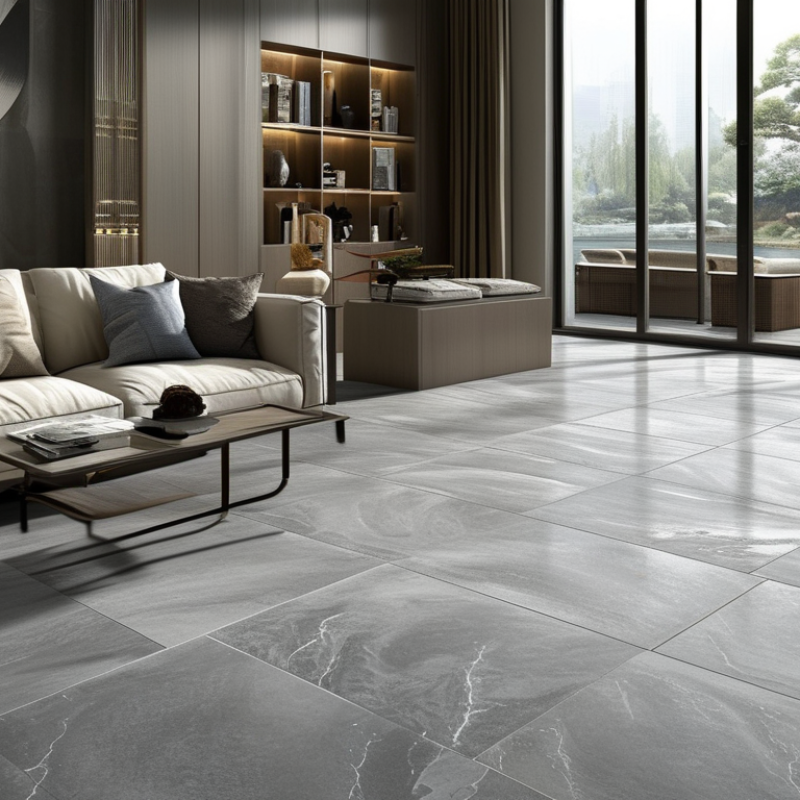
SPC (Stone Plastic Composite) tile flooring has gained significant traction in the Chinese market. This surge in popularity is attributed to its durability and aesthetic appeal. According to a report by Grand View Research, the global SPC flooring market was valued at around $2.24 billion in 2020, with projections indicating a robust growth rate of over 8% from 2021 to 2028.
In China, the demand for eco-friendly and cost-effective flooring solutions has accelerated the adoption of SPC tiles. A study from Statista shows that approximately 35% of flooring options in urban renovations now include SPC. Homeowners appreciate the water-resistant properties and ease of maintenance SPC tiles provide, making them suitable for various environments.
While SPC tile flooring is celebrated for its practical benefits, there are still challenges regarding market saturation and quality consistency. Some manufacturers struggle to maintain high standards, leading to consumer skepticism. Impactful consumer education is necessary to differentiate quality SPC tiles from subpar alternatives. This ongoing evolution in the SPC market reflects the dynamic nature of consumer preferences and industry practices in China.
When selecting SPC tile flooring manufacturers in China, several criteria can guide your decision. First, evaluate the quality of their products. High-quality SPC tiles are durable and resistant to moisture. A manufacturer that uses advanced technology and strict quality control measures is more likely to provide reliable products.
Next, consider the variety of designs and styles offered. A good manufacturer should provide a range of colors, patterns, and textures. This variety helps you find the perfect match for your home or business decor. Don't forget to check for certifications. Valid certifications ensure the products meet safety and environmental standards.
Tips: Look for manufacturers with a robust warranty. A strong warranty reflects confidence in their product quality. Also, research customer reviews. Honest feedback can reveal strengths and weaknesses. Be cautious of manufacturers with too many glowing reviews; they may not be reliable. Lastly, observe their customer service. Quick and helpful responses indicate a company that values its customers.
| Manufacturer Rank | Production Capacity (sq.m/year) | Main Product Line | Certification | Annual Revenue (Million USD) |
|---|---|---|---|---|
| 1 | 5,000,000 | SPC Tiles | ISO 9001, CE | 50 |
| 2 | 4,500,000 | Waterproof Flooring | ISO 14001, FloorScore | 45 |
| 3 | 3,500,000 | Luxury Vinyl Plank | GreenGuard, CE | 35 |
| 4 | 2,000,000 | SPC Flooring | ISO 9001, BREEAM | 20 |
| 5 | 1,500,000 | Vinyl Tiles | ISO 14001, CE | 15 |
The SPC tile flooring market in China has seen significant growth, fueled by rising consumer demand for luxury vinyl options. This sector is predicted to expand at a compound annual growth rate (CAGR) of 7.8% from 2021 to 2026, according to industry reports. Key players in this space are innovating in product design and sustainability. This is crucial as environmental concerns increasingly influence buyer choices.
Several manufacturers are investing heavily in advanced technology to enhance flooring resilience and aesthetics. A report by the Chinese National Building Material Association indicates that SPC products account for nearly 30% of the total flooring market. However, quality assurance remains a challenge. Some manufacturers struggle with maintaining consistent production standards, which can lead to customer dissatisfaction.
Furthermore, market research highlights a growing trend towards customization. Many consumers want tailored flooring solutions to meet their specific needs. Despite the progress, not all brands effectively address this demand. This inconsistency indicates a gap in understanding customer preferences. As the industry matures, the focus must shift not only to innovation but also to meeting the evolving expectations of consumers in China.
SPC (Stone Plastic Composite) tile flooring has seen remarkable innovations recently. These advancements focus on improving durability and enhancing aesthetic appeal. According to a report by Markets and Markets, the global SPC flooring market is projected to reach $7.5 billion by 2026, reflecting a compound annual growth rate (CAGR) of 8.5%. This growth indicates a rising demand for high-quality flooring solutions.
Manufacturers are adopting advanced technologies to optimize production processes. For instance, extrusion technology is becoming more prevalent. It allows for a precise combination of materials, resulting in stronger and more resilient tiles. Additionally, the introduction of digital printing technology has enhanced the visual quality of SPC flooring. This method provides intricate designs that mimic natural wood or stone textures. Yet, challenges remain. Not all manufacturers have access to cutting-edge equipment, which can lead to inconsistencies in product quality.
Sustainability is also a focus in production techniques. Many companies are now implementing eco-friendly practices to reduce waste. Reports suggest that nearly 60% of SPC tile manufacturers are investing in recyclable materials. This trend supports environmental goals but raises questions about cost-effectiveness. Balancing sustainability with economic viability is crucial for long-term success in the SPC tile industry.
The SPC tile flooring market in China is experiencing dynamic growth. In recent years, the demand for this durable flooring solution has surged. Reports indicate that the market size is expected to reach approximately $3.5 billion by 2025, reflecting an annual growth rate of around 12%. This growth is primarily driven by urbanization and a rising middle class that seeks affordable yet stylish flooring options.
Emerging trends indicate a shift towards environmentally friendly products. Many manufacturers are now incorporating recycled materials into their SPC tiles, addressing sustainability concerns. In fact, about 40% of the new SPC flooring products launched in the past year are eco-friendly. However, the market faces challenges, such as fluctuating raw material costs and increasing competition. Innovation is essential. Brands must invest in R&D to enhance product performance and sustainability.
As the industry evolves, consumer preferences play a significant role. A survey indicated that 70% of homeowners prioritize aesthetics and durability. Nevertheless, with rapid market changes, companies must adapt quickly. The resilience of SPC tile flooring hinges on staying ahead of trends while considering economic fluctuations. Balancing quality and cost will be critical for long-term success in this competitive landscape.
: SPC tiles are Stone Plastic Composite flooring. They combine durability with aesthetic appeal for various environments.
They are water-resistant and easy to maintain, making them suitable for urban renovations and diverse housing needs.
The market is projected to reach around $3.5 billion by 2025, growing at roughly 12% annually due to urbanization.
Yes, many manufacturers are investing in eco-friendly practices, with about 60% utilizing recyclable materials.
Manufacturers struggle with quality consistency, market saturation, and fluctuating raw material costs, impacting overall consumer trust.
About 70% of homeowners prioritize aesthetics and durability, showing that design plays a vital role in purchasing decisions.
Extrusion and digital printing technologies enhance durability and create intricate designs that resemble natural materials.
Yes, inconsistencies in product quality exist, and consumer education is needed to differentiate high-quality SPC tiles from inferior ones.
Firms face challenges in reconciling eco-friendly practices with economic viability, a crucial consideration for long-term success.
There’s a notable shift toward environmentally friendly products, with many new offerings focusing on sustainability and design.
SPC tile flooring has gained significant popularity in China due to its durability, aesthetics, and ease of maintenance. This type of flooring offers a waterproof and cost-effective solution, making it an ideal choice for both residential and commercial spaces. As the market for SPC tile flooring expands, selecting a manufacturer that meets specific criteria—such as quality control, technological innovation, and customer service—is crucial for consumers.
The leading SPC tile flooring manufacturers in China are leveraging cutting-edge technologies to enhance production efficiency and product quality. Innovations in design and manufacturing processes are shaping the future of this industry, indicating a robust market trend towards environmentally friendly and sustainable practices. Overall, the future outlook for SPC tile flooring in China appears promising as consumer demand continues to grow, driven by its versatile applications and the evolving needs of modern interior design.

Senli New Material