When considering a new flooring option, "Slip Resistant Vinyl Flooring" stands out for its safety and practicality. These floors are designed to provide traction, which is essential in high-traffic areas where slips and falls can occur. Homeowners and business operators alike seek reliable flooring that meets safety standards while enhancing aesthetics.
Choosing the right slip-resistant flooring can be overwhelming. Many products claim to be slip-resistant, but not all meet the necessary safety requirements. It's essential to research the specific ratings of different vinyl options. Look for features like texture and coating that contribute to their slip-resistant nature.
Installing slip-resistant vinyl flooring doesn't mean sacrificing style. Many designs mimic the look of hardwood or tile, providing a beautiful finish. However, balancing safety with visual appeal requires careful consideration. Evaluate your space carefully. Identify areas most prone to moisture or spills. This assessment can lead to better choices that prioritize safety without compromising design.
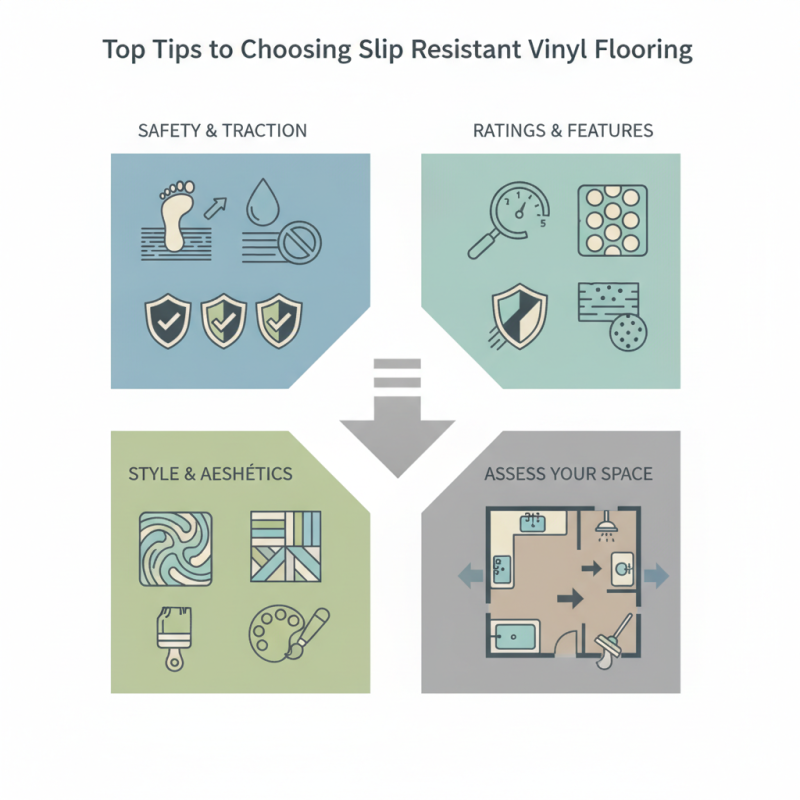
When selecting slip resistant vinyl flooring, understanding slip resistance ratings is crucial. Manufacturers often provide these ratings, which indicate how well the flooring can prevent slips. Look for ratings such as the Coefficient of Friction (COF). A higher COF means better resistance. It’s essential to check that the rating meets safety standards for your specific environment.
In places like kitchens or bathrooms, the risk of slipping is higher. Choosing flooring with a higher slip resistance rating can make a significant difference. However, not all products are equally tested. Some may inflate their ratings, so verify the data. Read independent reviews and refer to industry standards to ensure accuracy.
Installation also affects slip resistance. If the flooring is not laid correctly, even the best material can become hazardous. Remember, a permanent solution may require additional maintenance over time. Discussing with professionals can help identify the best choices for your space. Trustworthy advice can guide you to the safest options.
| Criteria | Description | Rating Scale (1-10) |
|---|---|---|
| Texture | Surface texture can enhance grip. Look for embossed or textured finishes. | 8 |
| Coefficient of Friction (COF) | Higher COF ratings indicate better slip resistance; aim for a minimum of 0.5. | 9 |
| Warranty | Check for warranties that cover wear and slip resistance over time. | 7 |
| Maintenance Requirements | Consider how easy the flooring is to clean and maintain while ensuring slip resistance. | 7 |
| Installation Type | Some vinyl floors are easier to install in areas prone to moisture, enhancing safety. | 8 |
| Environmental Considerations | Choose low-VOC products for healthier indoor air while maintaining slip resistance. | 7 |
: Slip resistance ratings indicate how well flooring prevents slips. Higher ratings mean better slip resistance.
Areas like kitchens and bathrooms have higher slip risks. Choosing flooring with higher ratings can improve safety.
Check independent reviews and refer to industry standards. Not all products are equally tested or trustworthy.
Yes, improper installation can make slip-resistant flooring hazardous. Correct installation is essential for safety.
Look for thickness and sturdy backing for high-traffic areas. These features enhance longevity and resist wear.
Some floors are easier to clean. Textured surfaces may trap dirt, while smooth surfaces are easier to wipe.
Yes, less durable options often require more frequent replacement and maintenance. Durability affects long-term upkeep.
Always check cleaning guidelines to avoid damage. Understanding routines can save time and effort in maintenance.
No, not all products are created equal. Some may scuff easily, impacting their effectiveness and appearance.
Professionals can guide you in selecting the safest options based on your specific space and usage patterns.
When selecting slip resistant vinyl flooring, it's essential to start by understanding slip resistance ratings, as these indicate how well a floor can prevent slips and falls in various conditions. Evaluating different surface textures also plays a crucial role in enhancing safety and comfort, ensuring the flooring meets both functional and aesthetic needs.
Additionally, comparing material durability and maintenance requirements can help determine the long-term viability of the flooring choice. Style options should be assessed not only for their visual appeal but also for their ability to complement the intended space. Lastly, considering the installation techniques is vital for achieving optimal performance and ensuring the flooring remains slip-resistant over time. By taking these factors into account, homeowners can confidently choose slip resistant vinyl flooring that meets their safety and style preferences.

 Senli New Material