Choosing between Spc and Lvt flooring can be challenging. Homeowners often face confusion when deciding which option is best. Both materials have their unique qualities and benefits. Spc v Lvt flooring offers distinct features that cater to various needs.
Spc flooring, known for its rigid core, provides durability. It withstands moisture and heavy foot traffic well. On the other hand, Lvt flooring is praised for its aesthetic appeal. It mimics natural materials like wood and stone. Many enjoy its wide range of designs.
Understanding these differences can help in making an informed choice. However, some may overlook critical factors like budget and lifestyle. In a home, flooring plays a vital role. It’s important to reflect on your needs when choosing between Spc and Lvt flooring.
Comparison of SPC and LVT Flooring: An Overview of Features
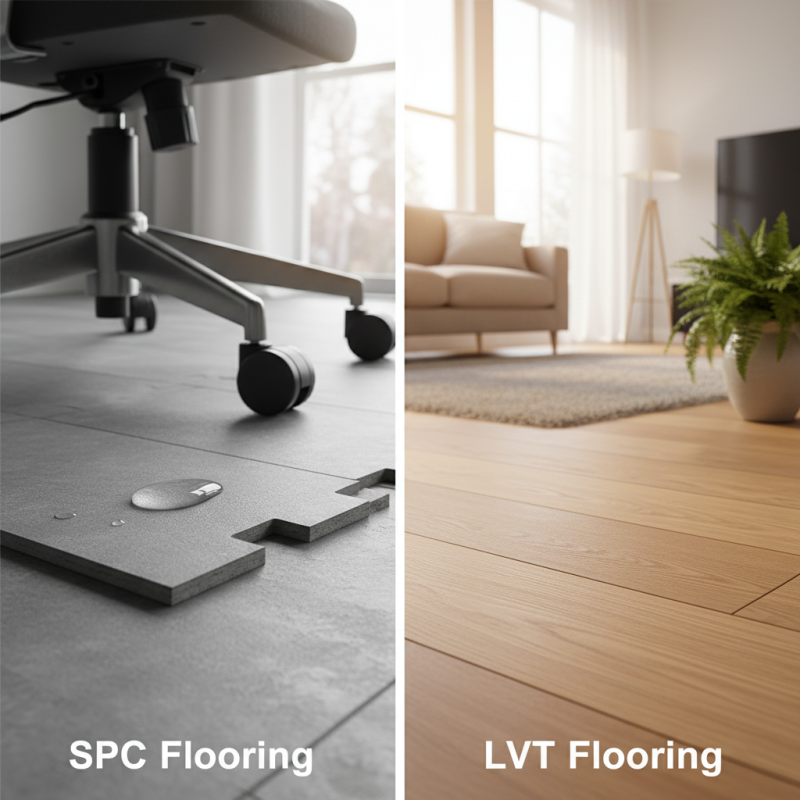
When choosing flooring for your home, SPC and LVT are popular options. SPC, or Stone Plastic Composite, boasts a rigid core, making it more durable. According to industry reports, SPC can withstand heavy foot traffic and is highly resistant to dents and scratches. This feature makes it ideal for families with pets or children. Additionally, SPC floors are less prone to water damage compared to traditional wood flooring.
On the other hand, LVT, or Luxury Vinyl Tile, offers a softer feel underfoot. It mimics the appearance of natural materials like wood or stone. An analysis shows that LVT has advanced printing technology, allowing for stunning visuals. However, it may not be as impact-resistant as SPC. In areas with high moisture, LVT performs well but is still susceptible to warping if exposed to standing water.
Both options have their strengths and flaws. SPC's rigidity comes at the cost of flexibility, which might be uncomfortable for some. LVT, while visually appealing, can be damaged by heavy furniture if not properly protected. Homeowners need to consider their lifestyle while making a choice, weighing durability against comfort and aesthetics.
Spc vs Lvt Flooring Which is Better for Your Home?
| Feature |
SPC Flooring |
LVT Flooring |
| Water Resistance |
Excellent |
Good |
| Durability |
High |
Moderate to High |
| Comfort underfoot |
Hard |
Soft |
| Installation |
Easy Click Lock |
Glue or Click Lock |
| Cost |
Moderate |
Moderate |
| Noise Reduction |
Good |
Very Good |
| Appearance |
Realistic |
Highly Realistic |
Durability and Longevity: SPC vs LVT Flooring Performance
When comparing SPC (Stone Plastic Composite) and LVT (Luxury Vinyl Tile) flooring, durability and longevity are key factors.
SPC flooring is known for its exceptional strength. According to a 2022 study, SPC can withstand heavy traffic without significant wear. Its rigid core structure makes it resistant to impacts and scratches. This can be particularly beneficial for households with pets or children.
LVT also offers durability but is slightly less robust than SPC. A report by the National Wood Flooring Association states that LVT is susceptible to dents under heavy pressure. In high-traffic areas, this can lead to visible wear over time. However, LVT's flexibility allows for easier installation and a wider variety of design options. Homeowners must weigh their priorities carefully.
Many users find themselves torn. They appreciate the aesthetic appeal of LVT but seek the strength of SPC. Both flooring types have their pros and cons. Investment in quality materials often yields the best results. Ultimately, personal needs and lifestyle will dictate the best choice. Consider what matters most for your home.
Cost Analysis: Pricing Differences Between SPC and LVT Flooring
When considering flooring options, SPC and LVT are popular choices. Cost is a major factor for many homeowners. SPC, or Stone Plastic Composite, often has a lower price point. It typically ranges from $2 to $5 per square foot. This makes it an attractive option for budget-conscious buyers. On the other hand, LVT, or Luxury Vinyl Tile, usually costs between $3 to $7 per square foot. While not drastically more expensive, those extra dollars can add up.
It's essential to consider long-term value. SPC flooring may be less costly initially, but can it withstand heavy foot traffic? LVT might offer better durability and a wider range of designs. This breadth in style can justify the higher upfront costs. Homeowners often reflect on their needs. Will the aesthetic of LVT add more value in the long run? Or is the practicality of SPC enough for everyday life?
In the end, the decision isn't just about money. It's about how you plan to use your space. Weighing the initial costs against durability and style is crucial. Every home is different, and what works for one may not be ideal for another.
Installation Process: Comparing SPC and LVT Flooring Methods
When choosing flooring, the installation process is crucial. SPC (Stone Plastic Composite) and LVT (Luxury Vinyl Tile) offer distinct methods. SPC involves a click-lock system, making it user-friendly. This modern technique streamlines installation, reducing labor costs. Experts note that SPC can be laid over existing floors, minimizing prep work. However, improper subfloor preparation can lead to problems in the long run.
On the other hand, LVT installation is versatile but often requires adhesive. This method can create a more permanent solution, which some homeowners prefer. According to the Resilient Floor Covering Institute, this type of flooring can last up to 20 years with proper installation. However, if the adhesive fails or air bubbles form, it complicates future maintenance.
Additionally, the installation time can vary significantly. SPC may take only one day for a typical room, while LVT could stretch to two or more, especially for intricate designs. Both options present unique challenges that require careful consideration. Balancing aesthetics and practicality through installation techniques is essential for a successful flooring project.
SPC vs LVT Flooring: Installation Process Comparison
Design Options and Aesthetics: Stylish Choices for Your Home
When it comes to flooring options, design choices play a crucial role.
SPC and LVT are two popular materials that offer stylish possibilities for your home.
Both options come in a variety of finishes and patterns that can enhance the overall aesthetic of your space.
Whether you prefer a rustic wood look or a sleek stone design, there is something for everyone.
However, the visual appeal extends beyond just patterns. The color palettes available in both SPC and LVT can truly transform a room.
Lighter colors can create an airy environment, while darker tones add warmth and sophistication.
It’s essential to choose a color that complements your existing decor. But remember, trends change.
What feels stylish today may not appeal in a few years.
Additionally, consider how the texture interacts with light.
Some finishes can make a space feel more inviting, while others might come off as too stark or cold.
Reflect on the mood you want to set in each room. Balancing your personal style with practicality is key.
Be open to touches that may not be perfect.
Sometimes, the beauty lies in the little imperfections.
FAQS
: SPC stands for Stone Plastic Composite. It has a rigid core for enhanced durability.
SPC can withstand heavy foot traffic without significant damage. It’s ideal for busy households.
LVT offers a softer feel and visually resembles natural materials like wood.
LVT can handle moisture but may warp in standing water. Caution is advised in wet areas.
Think about lifestyle, durability, comfort, and aesthetic preferences. Each has its own strengths.
SPC typically ranges from $2 to $5 per square foot, while LVT is usually $3 to $7.
SPC’s rigidity can be uncomfortable for some, lacking the softness of LVT.
Yes, LVT may sustain damage from heavy furniture if it's not protected properly.
Not necessarily. Consider durability and style for long-term value, not just initial cost.
LVT offers a broader range of designs, which might add long-term value despite higher initial costs.
Conclusion
When considering "Spc vs Lvt Flooring" for your home, it's essential to evaluate their distinct features and performance metrics. SPC (Stone Plastic Composite) flooring is renowned for its superior durability and longevity, making it an ideal choice for high-traffic areas. In contrast, LVT (Luxury Vinyl Tile) offers a versatile design aesthetic and is typically more affordable, which may appeal to budget-conscious homeowners.
Examining the installation processes, SPC flooring is often easier to install due to its rigid core, while LVT requires specific techniques to accommodate its flexibility. Ultimately, both options present stylish choices with various designs to enhance the visual appeal of your home. The decision between SPC and LVT flooring should be based on individual preferences for durability, cost, and overall design goals.

 Senli New Material