Choosing the right installation tools for SPC (Stone Plastic Composite) flooring is crucial for achieving optimal results. According to a report by MarketWatch, the SPC flooring market is expected to grow significantly, driven by its durability and ease of installation. However, selecting the best installation tools for SPC can be daunting due to the variety of options available.
High-quality installation tools enhance efficiency and accuracy during the installation process. For instance, specific tools like cutting saws and underlayment rollers can greatly influence the end result. A survey by Professional Builder revealed that 75% of installers prioritize using specialized tools. This preference stems from the desire to avoid common installation pitfalls, such as misalignment or damage to the flooring material.
It's important to reflect on the potential challenges that come with improper tool selection. Using substandard tools can lead to increased labor costs and project delays. Therefore, understanding the features of installation tools for SPC is essential. Engaging with professionals and utilizing industry resources can provide valuable insights, ensuring that the right tools are chosen for a successful installation.
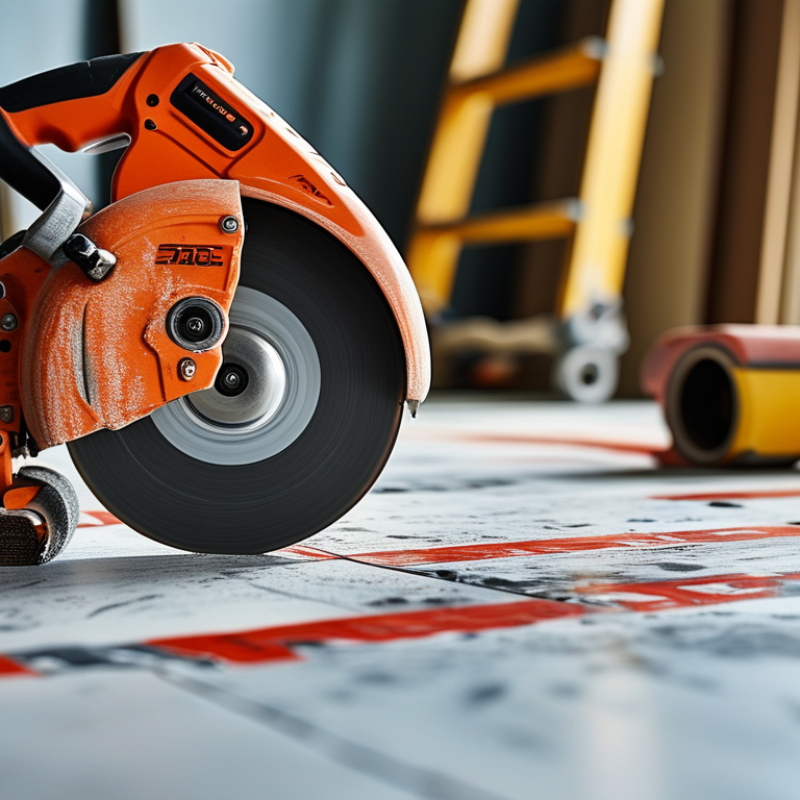
When selecting installation tools for SPC (Stone Polymer Composite) flooring in 2026, several factors play a critical role.
The type of substrate is essential. Different surfaces require specific tools for optimal results. For example, concrete and plywood may need distinct approaches. Assessing the condition of the substrate can also affect the decision. Uneven or damaged areas might necessitate additional tools or repair kits.
The skill level of the installer is another key factor. Professional installers may prefer specialized tools that offer precision. In contrast, DIY enthusiasts might opt for more user-friendly options. Familiarity with tools can shape how effective the installation becomes. Additionally, the scope of the project influences tool choice. Large installations may need advanced tools for efficiency, while smaller areas might benefit from basic tools.
Cost considerations cannot be overlooked. Budget constraints may limit the choice of tools, impacting quality and performance. It's crucial to balance between affordability and functionality. Reflection on previous experiences can guide decisions as well. Mistakes in past projects provide valuable lessons. Revisiting these moments helps in choosing the right tools for future successes.
When it comes to SPC (Stone Plastic Composite) flooring installation, choosing the right tools is crucial. Common tools include a utility knife, tapping block, and a pull bar. Each serves a unique purpose that can make or break your installation process. According to industry reports, improper tool usage can lead to over 30% waste of materials. This statistic highlights the importance of effective tool selection.
A utility knife is essential for precise cuts. A clean edge ensures fit and finish, contributing to overall aesthetics. Tapping blocks help lock planks together without damaging their surfaces. They can prevent misalignments and gaps, which is critical in installations of large areas. The pull bar is also beneficial; it snugly fits the last row of planks when space is limited.
The choice of tools may vary based on site conditions and project scale. Research shows that 45% of inexperienced installers overlook tool intricacies, leading to operational inefficiencies. Reflecting on past projects can help installers make better decisions. A thorough understanding of tools is vital for achieving superior results in SPC installation.
In the realm of SPC (Statistical Process Control) tool selection, adhering to industry standards is paramount. According to a report by the American Society for Quality, 70% of SPC implementations succeed when tools align with recognized guidelines and best practices. This highlights the significance of understanding the key standards that govern tool usage in various industries.
When evaluating SPC tools, consider their compliance with ISO 9001 standards. Tools that meet these criteria ensure robust data integrity and effective process improvement. Many organizations report up to a 45% reduction in defects when utilizing compliant tools. Furthermore, organizations should prioritize ease of use and data visualization features, as these aspects greatly influence user adoption. However, it’s important to reflect on the choice of tools and avoid an overwhelming array that may complicate processes instead of enhancing them.
Additionally, training and support are critical components of successful SPC tool implementation. A study by the Quality Management Journal found that organizations investing in user training increase tool utilization efficacy by nearly 50%. Organizations often neglect this aspect, risking ineffective tool adoption. Therefore, aligning tool selection with industry standards and ensuring ongoing user engagement remains essential for optimal results.
When it comes to SPC (stone plastic composite) installation, your choice of tools significantly influences the outcome. Manual tools offer precision. They require more physical effort and time. However, they allow for better control in tight spaces. Power tools, on the other hand, are faster. They reduce labor intensity but can be tricky for beginners.
Tips for using manual tools: Focus on cleanliness. Ensure your workspace is clear. This reduces distractions. Also, take breaks. Prolonged use can lead to fatigue, affecting your precision.
Power tools can help speed up the process, but they can lead to mistakes if used improperly. It helps to practice first. A few trial runs can build confidence. Remember that safety is crucial. Always use protective gear.
Tips for power tool users: Adjust the speed settings according to the job. This can prevent damage to the material. Also, ensure the blades are sharp for clean cuts. Dull blades can create jagged edges that complicate installation.
Each method has its pros and cons. Reflect on your skill level and project needs when choosing between them. Experience matters. A combination of both may even give you the best results.
The future of SPC installation tools is set to be shaped by innovative technologies. Advancements in design will focus on user-friendly interfaces. This will help both professionals and DIY enthusiasts. Tools that incorporate smart technology will gain popularity. Imagine using tools that connect to mobile apps, providing real-time guidance.
Another key trend is the use of sustainable materials. Eco-friendly options are becoming essential in construction. Professionals are starting to prefer tools made from recycled or renewable resources. This shift not only helps the environment but can also enhance tool durability and performance.
Despite these advancements, challenges remain. New technologies often require training investments. Some users may resist adopting unfamiliar tools. Providing adequate resources and support is crucial. Feedback from users can guide further improvements in the design and functionality of these tools. Continuous reflection on user experiences will help shape the market going forward.
| Dimension | Description | Innovative Features | Future Trends |
|---|---|---|---|
| Tool Type | Flexible Installation Tools for SPC Flooring | Ergonomic design, lightweight material | Increased portability and ease of use |
| Automation Level | Semi-Automated Installation Systems | Integration with power tools and laser guidance | Shift towards fully automated systems |
| Material Compatibility | Compatible with Various SPC Thicknesses | Adjustable settings for different materials | Improved adaptability to diverse materials |
| Safety Features | Enhanced User Safety Mechanisms | Emergency shut-off, non-slip grips | Integration of smart safety technology |
| Training & Support | Online Training Modules for Installation | Interactive tutorials and real-time assistance | Augmented Reality (AR) support for training |
: Key factors include substrate type, installer skill level, project scope, and cost considerations.
Different surfaces require specific tools for the best installation results.
Professionals may need specialized tools, while DIYers might prefer user-friendly options.
Large installations require advanced tools for efficiency; smaller projects may need basic tools.
Mistakes from previous projects offer lessons that guide future tool choices.
Tools should meet ISO 9001 standards for data integrity and process improvement.
User training significantly increases tool effectiveness and should not be overlooked.
Organizations report up to a 45% reduction in defects with compliant tools.
User-friendly tools enhance adoption rates and utilization in various settings.
Too many options may complicate processes rather than improve them.
The article "2026 How to Choose the Best Installation Tools for SPC?" outlines key considerations and trends in selecting appropriate installation tools for SPC (Stone Plastic Composite) flooring. It discusses various factors influencing tool choice, including material compatibility, installation environment, and user skill level. A comprehensive overview of common installation tools for SPC, such as cutters, adhesive applicators, and underlayment tools, highlights their specific functions in facilitating efficient installation.
Furthermore, the article underscores the importance of adhering to industry standards for tool selection and usage, ensuring both safety and effectiveness. A comparative analysis between manual and power tools showcases their respective advantages and drawbacks in SPC installations. Finally, the article anticipates future innovations and technologies that may revolutionize installation tools for SPC, aiming for improved efficiency and user experience in upcoming years.

Senli New Material