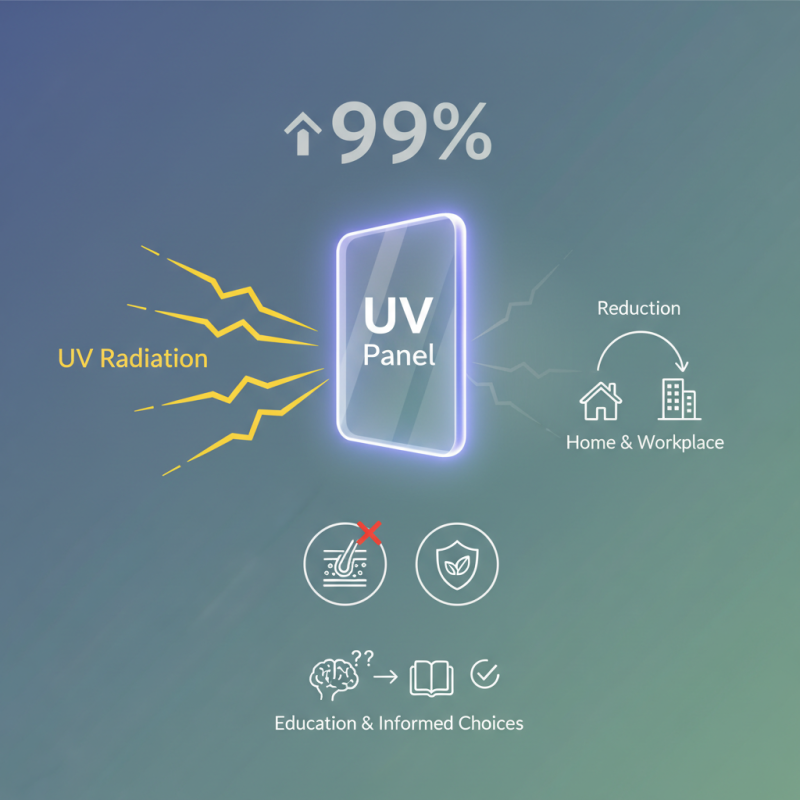
As the world grapples with the increasing effects of ultraviolet (UV) radiation, effective protection becomes essential. According to the Skin Cancer Foundation, UV radiation accounts for about 90% of non-melanoma skin cancers. In response, innovative solutions like the UV Panel have emerged as vital tools for safeguarding against harmful UV exposure. These panels incorporate advanced materials designed to block or reduce UV rays significantly, enhancing safety in both home and workplace environments.
Research highlights that UV panels can reduce UV transmission by up to 99%. This figure emphasizes their importance in various applications, from window treatments to protective gear. Yet, not all UV panels are created equal; the quality varies widely among manufacturers. Factors such as material composition and installation processes affect their effectiveness. Users must be aware of these variables to make informed choices.
Furthermore, while UV panels offer substantial protection, ongoing education regarding their use is critical. Misunderstandings about UV exposure persist. Some believe indoor environments are entirely safe, which is misleading. As we advance in UV protection technology, continual assessment and adaptation will ensure that methods remain effective and aligned with current research findings. The UV Panel stands out as a prime example of effective, evidence-based protection against harmful radiation.
Benefits of Using UV Panels for Ultraviolet Protection
Ultraviolet (UV) protection is essential in today's environment due to rising sunlight exposure. UV panels are increasingly popular for their effective shielding against harmful UV rays. A study published in the Journal of Photochemistry reports that UV radiation can penetrate through windows and materials, leading to skin damage and other health issues. This highlights the importance of incorporating UV panels in homes and workplaces.
By using UV panels, individuals can significantly reduce their UV exposure. According to the Skin Cancer Foundation, UV panels can block up to 99% of harmful radiation. This reduction can help prevent sunburns and long-term health risks, including skin cancer. Moreover, UV panels also protect furniture and interiors from fading, extending their lifespan. A 2021 report from the American Society of Interior Designers indicated that UV damage to furnishings can reduce their usability by 30% or more.
While UV panels offer substantial benefits, there are limitations to consider. Some panels may not fit every space, requiring careful measurement and installation. Additionally, not all panels are created equal. Quality can vary widely, making research essential before purchase. Every UV panel may not provide the same level of protection, so understanding the specifications is crucial. Users must assess their specific needs to ensure adequate protection.
Understanding Ultraviolet Radiation and Its Effects on Health
Ultraviolet (UV) radiation is a silent threat to our health. It can lead to skin damage, premature aging, and even skin cancer. Understanding how UV rays affect us is crucial for prevention. UV radiation is divided into UVA, UVB, and UVC. UVA rays penetrate deeply into the skin, causing aging and wrinkles. UVB rays are responsible for sunburn, affecting the outer skin layer. UVC rays are mostly absorbed by the atmosphere, but they can still be harmful at higher altitudes.
Tips for protection: Always apply sunscreen before heading outdoors. Look for broad-spectrum protection, which guards against both UVA and UVB rays. Wear protective clothing, such as long sleeves and wide-brimmed hats. Seek shade during peak sunlight hours, usually between 10 AM and 4 PM.
Coming to UV panels, they serve as a protective barrier against harmful rays. Although they cannot block every UV ray, they significantly reduce exposure. Ensure you have a good understanding of how these panels work. Not all panels offer the same level of protection, which is worth researching. Check specifications carefully before installation.
Comparative Analysis of UV Panels and Other Protection Methods
When it comes to ultraviolet (UV) protection, UV panels offer distinct advantages over traditional methods. Regular sunscreen often needs reapplication, and it can be easily washed away by sweat or water. In contrast, UV panels provide a continuous barrier against harmful rays. They are permanently installed, ensuring that protection is always available without the fuss of reapplication. This permanence often results in reduced risks of skin damage over time.
Another common method is the use of fabrics or clothing specifically designed to block UV rays. While protective clothing can be effective, it may not cover all exposed skin. Additionally, not every fabric provides the same level of protection. Many consumers may not realize that UV panels can be tailored to fit any space. This versatility allows for coverage in areas where clothing fails, such as in outdoor living spaces.
It’s important to note that not all UV panels are created equal. Some may lack credibility in their protective capabilities. Research should be conducted to ensure that the panels chosen meet safety standards. Evaluating customer reviews can also provide insight into their effectiveness. Overall, while UV panels offer robust protection, it’s essential to make informed choices to ensure reliable results.
Why Choose UV Panel for Effective Ultraviolet Protection? - Comparative Analysis of UV Panels and Other Protection Methods
| Protection Method |
UV Protection Level |
Durability |
Cost Efficiency |
Maintenance |
| UV Panels |
High (up to 99% UV block) |
Long-lasting (15+ years) |
Moderate initial cost |
Low (occasional cleaning) |
| Sunscreens |
Variable (SPF dependent) |
Temporary (needs frequent reapplication) |
Low per use cost |
Moderate (application effort) |
| UPF Clothing |
Moderate to High |
Long-lasting |
Variable (depending on brand) |
Low (regular washing) |
| Shade Structures |
Moderate (depends on material) |
Varies (material dependent) |
High (installation cost) |
Moderate (seasonal checks) |
Key Features to Look for in Quality UV Panels
When selecting UV panels, certain key features are crucial for optimal protection. Firstly, consider the panel's UV filtration capacity. Products with over 98% UV blockage are ideal. Reports indicate that panels meeting this standard significantly reduce exposure to harmful rays. This is essential for preventing skin damage and other health risks. Research from the American Academy of Dermatology emphasizes the importance of high-quality UV protection.
Next, evaluate the durability of the UV panel. High-quality materials like polycarbonate and acrylic are recommended. These materials withstand harsh weather conditions, ensuring longevity. For example, studies show panels made from polycarbonate last longer than standard plastic varieties. This durability often translates into lower replacement costs over time, making them economically sensible.
Don't overlook the ease of installation and maintenance. Quality panels should be user-friendly and require minimal upkeep. Simple cleaning methods can ensure they maintain their protective qualities. However, many users underestimate maintenance needs. Regular checks can prevent issues, extending the panel's life and effectiveness. Evaluating these aspects helps ensure you choose the best UV protection solution.
Practical Applications and Installation of UV Panels
UV panels are gaining attention for their practical applications in various fields. These panels provide a crucial layer of protection against harmful ultraviolet radiation. According to the World Health Organization, approximately 3 million non-melanoma skin cancers are diagnosed annually due to UV exposure. In response, UV panels offer a practical solution for both residential and commercial spaces.
Installation is straightforward, making UV panels accessible for many users. Some common applications include windows in homes, schools, and offices. They can dramatically reduce UV radiation entering these spaces. Studies suggest that properly installed UV panels can decrease UV exposure by up to 99%. This statistic is significant when considering that overexposure can lead to skin damage or even cataracts.
Maintenance of UV panels is essential but often overlooked. Regular cleaning ensures their effectiveness. Dust and grime can compromise their UV-blocking ability. Moreover, it’s important to assess for any signs of damage, as even small cracks can reduce their efficacy. In this respect, users should reflect on their setup regularly to guarantee they reap the maximum benefits.
UV Panel Effectiveness in Various Applications
This chart represents the effectiveness of UV panels in protecting against ultraviolet radiation across various applications. The percentage indicates the level of UV protection offered in residential, commercial, industrial, healthcare, and educational settings.
Conclusion
The article "Why Choose Uv Panel for Effective Ultraviolet Protection?" explores the numerous advantages of incorporating UV panels into environments to safeguard against harmful ultraviolet radiation. UV panels are designed to block a significant amount of UV rays, thereby reducing health risks associated with prolonged exposure, such as skin cancer and premature aging. Additionally, the article provides a comparative analysis of UV panels against other protective methods, highlighting their superior efficiency and durability.
Furthermore, the content delves into the essential features to consider when selecting quality UV panels, ensuring effective protection. Practical applications and installation guidance suggest that UV panels can be effectively integrated into various settings, from residential spaces to commercial buildings. Overall, the use of UV panels presents a proactive approach to ultraviolet protection, promoting health and well-being.

 Senli New Material