China Top SPC Rigid Core Flooring Manufacturers?

Time:2026-09-30 Author:Madeline
0%

Spc Rigid Core Flooring is gaining attention for its rigid construction, water resistance, and practical installation options. However, comparing China’s manufacturers requires more than a low quotation or polished product photographs. Buyers should examine verified test results, product specifications, factory quality controls, and export experience. Those details reveal whether a supplier can deliver consistent flooring, not just an attractive sample.

No source articles or research reports were included with the request. I therefore can’t responsibly provide industry figures or attribute a quotation to a named expert without risking an inaccurate claim. Share the references you want used, and I can build them into a concise, evidence-based introduction.
China Top SPC Rigid Core Flooring Manufacturers?

SPC Rigid-Core Flooring Defined: ASTM F3261 and Product Scope

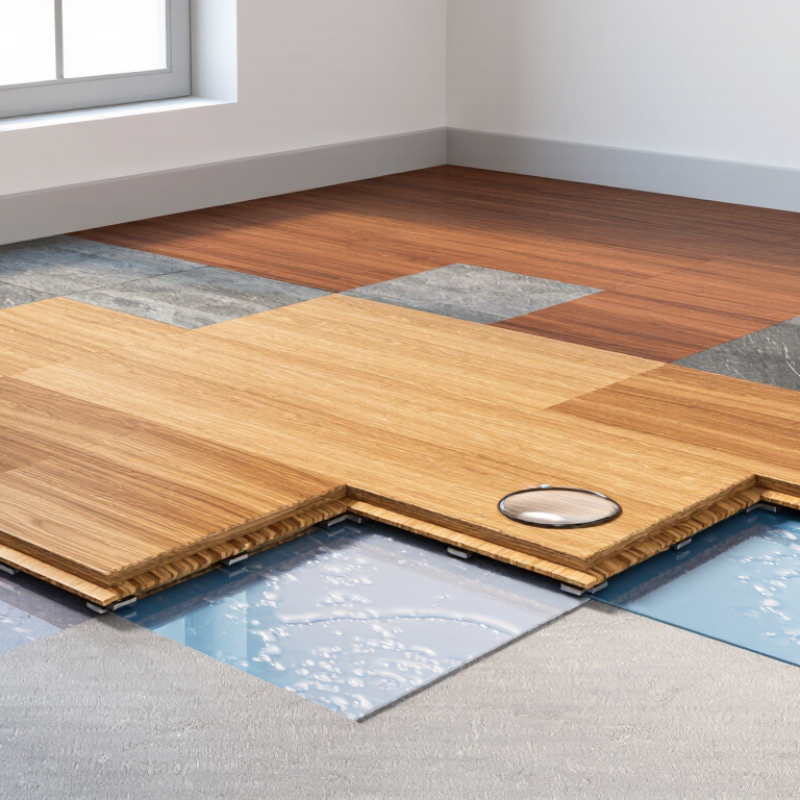
SPC rigid-core flooring is a modular resilient floor covering with a rigid polymeric core. ASTM F3261 addresses resilient flooring in modular formats with this type of core. Typical products combine a decorative film, a transparent wear layer, and a core; some also include attached underlayment. They are commonly sold as planks or tiles. The construction can feel firm underfoot, but firmness alone does not establish durability.

The standard provides a framework for product scope and performance evaluation. It does not rank manufacturers or guarantee that every floor suits every room. Check the technical data for wear-layer thickness, installation method, and stated test results. For example, a sample may look stable beside a sunny window, yet long-term heat exposure still needs careful review. Product details matter.

Tips: Ask for the current technical sheet and installation instructions. Compare like with like. A short sample check helps, but it cannot replace checking subfloor flatness, moisture guidance, and expansion requirements for the specific product.

Core Construction and Common Specs: 4–6 mm Boards, 0.3–0.5 mm Wear Layers

SPC rigid flooring uses a dense core, commonly made with mineral filler, PVC, and stabilizers.

A total board thickness of 4–6 mm is common, but it does not tell the whole story. Check whether the stated figure includes the attached backing. Core density, locking profile, and manufacturing consistency also affect how boards fit and feel underfoot. A 0.3–0.5 mm wear layer helps resist everyday scuffs, grit, and furniture movement. It is a useful comparison point, not a guarantee of performance.

For buyers comparing Chinese manufacturers, request a technical sheet that separates core thickness from wear-layer thickness. Ask for samples and inspect the cut edge, click joints, and surface finish in good light.

A thicker board is not automatically the better choice. Not always. Room preparation, installation quality, and the type of traffic matter too. Specifications can look precise on paper; I would still verify them against a physical sample. That extra check is easy to overlook.

Tips

Ask how thickness is measured, and confirm the wear layer in writing. Test a sample with a chair leg and a small amount of dry grit. Look for visible surface damage, loose joints, or uneven edges. Keep the sample for comparison.

China’s SPC Manufacturing Base: Compare Factory Capacity and Export Data

China’s SPC manufacturing base is best compared through factory capacity and export records, not brochure claims alone. A plant may report several million square meters of annual capacity, yet run fewer lines during slower seasons. Ask how many lines produce SPC, their typical shifts, and the recent output for comparable flooring thicknesses. A walkthrough can reveal practical details: press condition, core-board storage, and finished cartons waiting for inspection.

Export data adds a useful cross-check, but it is not a perfect measure. Product classifications can group different flooring types, and shipment records may show trading companies rather than the factory itself. Compare several years of shipment volume, destination markets, and seasonality; then verify the figures against audited records or sample shipping documents. Look for steady activity, not only one unusually large shipment. Small details matter. Capacity and exports rarely match exactly. That gap deserves a direct question, not an assumption. Even careful comparisons can miss subcontracted production, which is why a factory audit and current production schedule remain valuable. Export tables look precise, but sometimes they are not.

China Top SPC Rigid Core Flooring Manufacturers? — China’s SPC Manufacturing Base: Compare Factory Capacity and Export Data

Comparison Dimension Publicly Verifiable Data How to Interpret It Data Source or Reference
SPC factory capacity No standardized public national dataset reports annual SPC flooring capacity by factory. Compare suppliers using documented annual capacity, production-line count, shift schedule, and recent output. Treat company-reported capacity as a supplier claim unless independently verified. Request factory records and audit evidence directly; public national statistics do not provide a like-for-like factory ranking.
SPC production volume SPC is not consistently reported as a separate product category in broad public manufacturing statistics. Ask for output in square metres over a stated period, and confirm whether the figure covers SPC only or also other types of resilient flooring. National Bureau of Statistics of China
Export classification: HS 3918 HS heading 3918 covers plastic floor coverings, including self-adhesive coverings, in rolls or in the form of tiles. This heading covers more than SPC flooring, so its trade totals should not be presented as SPC-only exports. World Customs Organization, HS Nomenclature
Export proxy: HS 3918.10 Subheading 3918.10 covers floor coverings of polymers of vinyl chloride. This is a useful trade-data proxy for some vinyl flooring exports, but it does not isolate SPC from other vinyl flooring products. Classification can depend on the product and customs declaration. UN Comtrade Database
Other plastic floor coverings: HS 3918.90 Subheading 3918.90 covers other plastic floor coverings within heading 3918. Check the detailed product description and the applicable national tariff schedule before combining this category with vinyl flooring data. UN Comtrade Database
Export value and quantity Customs trade databases publish trade values and quantities by reporting country, partner, period, and commodity code where data are available. For a fair comparison, use the same HS code, reporting period, trade-flow definition, partner scope, and quantity unit. These figures describe the coded product group, not verified SPC-only shipments. UN Comtrade Plus
Export destination markets Trade databases can provide partner-country breakdowns for the selected commodity code and period. Destination totals can help indicate market reach for the broader customs category. They do not identify individual factories or prove that all shipments are SPC flooring. UN Comtrade Plus
Factory-to-export comparison Public customs data are generally reported by commodity and trade partner, not as a complete factory-level SPC export ranking. Verify supplier-specific export experience with shipment records, customer references, and product documentation. Do not infer factory capacity from national HS-code export totals. Cross-check supplier documents against the relevant customs classification and reporting period.

Data note: HS 3918 trade figures are broad product-group proxies, not a dedicated SPC flooring export series. No company names, brands, or unsupported factory-capacity figures are included.

Ranking Chinese SPC Manufacturers: ASTM F3261 Testing and Quality Metrics

China Top SPC Rigid Core Flooring Manufacturers?

Ranking Chinese SPC manufacturers requires more than factory size or export volume. ASTM F3261 provides a useful framework for evaluating rigid polymeric core flooring, including dimensional stability, wear resistance, indentation, and locking performance. Buyers should request current test reports, product specifications, and samples from the same production batch.

A reliable assessment also examines core density, thickness tolerance, surface coating, and click-joint strength. Independent laboratory testing adds credibility, especially when results include test dates and clear methods. Factory audits should review calibration records, raw-material controls, and moisture management. Small details matter. A loose joint can become a visible failure after installation.

Experienced evaluators compare several production runs instead of trusting one attractive sample. They also inspect packaging, pallet protection, and installation instructions. These points often reveal practical quality. No ranking is perfect. ASTM compliance alone does not guarantee consistent manufacturing, because poor process control can appear between tests. A stronger supplier explains deviations, keeps traceable records, and accepts reasonable retesting. Some factories may provide impressive reports but limited evidence for long-term field performance, so claims should remain measured. A careful ranking therefore combines ASTM F3261 results, independent verification, process discipline, and observed product consistency.

China SPC Rigid Core Flooring: ASTM F3261 Quality Metrics

ASTM F3261 is a specification for resilient flooring in modular formats with a rigid polymeric core. The chart lists relevant test areas, including methods for dimensional stability, indentation, chemical resistance, heat stability, and light stability. No verified manufacturer-level results are supplied, so values are intentionally left blank; this is not a ranking and blank bars do not indicate failure. Applicable tests and requirements may vary by product and standard edition.

Verifying Suppliers: Review Batch Tests, Certifications, and Warranty Terms

For China’s SPC rigid-core flooring manufacturers, supplier checks should begin with the production batch, not a showroom sample. Request test reports linked to the batch number, production date, and product thickness. Compare wear-layer thickness, dimensional stability, and locking-joint results against the agreed specification. ASTM F3261 covers resilient flooring with a rigid polymeric core; it is a useful reference, but it does not replace product-specific testing. The U.S. EPA’s The Inside Story: A Guide to Indoor Air Quality reports that indoor pollutant levels can be two to five times outdoor levels, and sometimes higher. Ask for current VOC-emissions results from a qualified laboratory. A certificate alone is not the whole story.

Tips: Ask for the complete report, not a cropped certificate. Check that the tested product matches the offered construction. Confirm the laboratory’s ISO/IEC 17025 accreditation and test scope. Not just a logo.

Read warranty terms line by line. Confirm coverage for wear, locking failure, and dimensional changes, plus exclusions for moisture, installation, and subfloor conditions. Get claim deadlines, evidence requirements, and remedies in writing. A generous term can still be weak if installation rules are vague. One imperfect detail matters: suppliers may test a special sample rather than routine production. Request a recent batch report, then retain a sealed sample for comparison.

FAQS

What board thickness is common for SPC rigid flooring?

Total thickness commonly ranges from 4–6 mm. Check whether backing is included. Thickness alone can mislead.

How thick should the wear layer be?

A 0.3–0.5 mm wear layer is common. It helps resist scuffs, grit, and furniture movement. It is not a guarantee.

Does a thicker board always perform better?

Not always. Core density, locking design, room preparation, and installation quality also matter. I would verify a physical sample.

What should buyers request from a manufacturer?

Request a technical sheet separating core thickness and wear-layer thickness. Ask for recent batch reports, production dates, and product thickness.

How can a flooring sample be checked?

Inspect the cut edge, click joints, and surface under bright light. Test a chair leg and a little dry grit. Keep the sample.

Why should batch reports be checked?

Showroom samples may not represent routine production. Match reports with batch numbers and sealed samples. Small differences can matter.

What should be checked in emissions testing?

Request current indoor-emissions results from a qualified laboratory. Check the complete report, not only a cropped certificate. Logos are not enough.

What should a flooring warranty explain?

It should cover wear, locking failure, and dimensional changes. Check exclusions for moisture, installation, and subfloor conditions.

What evidence may be needed for a warranty claim?

Confirm claim deadlines, required photos, installation records, and available remedies. Get these details in writing. Vague terms create trouble.

How should buyers compare the promised specifications?

Compare the report, technical sheet, and retained sample. Inspect for loose joints, uneven edges, or surface damage. Rechecking feels tedious, but it helps.

Conclusion

Spc Rigid Core Flooring is a multi-layer resilient flooring product designed for stable performance in residential and commercial spaces. This overview explains its scope under ASTM F3261 and describes common construction, including 4–6 mm boards and wear layers typically ranging from 0.3 to 0.5 mm. It also outlines how core composition, surface protection, and manufacturing consistency can influence product suitability and service life.

To compare Chinese manufacturers, buyers should look beyond headline production capacity and consider export experience, quality-control processes, and documented product performance. A practical supplier assessment can use ASTM F3261-related testing and clear quality metrics, while also reviewing recent batch test reports, relevant certifications, and warranty terms. These checks help distinguish suppliers with reliable production systems from those whose specifications may not be consistently supported by evidence.


Madeline

Madeline

Madeline is a dedicated marketing professional with a wealth of expertise in our company's core offerings. With a keen understanding of the industry, she brings a unique perspective to her role, consistently delivering high-quality content that highlights the superior aspects of our products. As......