When it comes to home renovation, selecting the right flooring is crucial. SPC tile flooring has gained attention for its durability and aesthetic appeal. Renowned flooring expert, John Smith, emphasizes, “SPC tile flooring combines style with resilience, making it perfect for modern homes.” This innovative material offers water resistance and remarkable stability, ideal for high-traffic areas.
Choosing SPC tile flooring can transform spaces. It mimics natural stones and woods while providing a budget-friendly solution. The installation process is straightforward, appealing to DIY enthusiasts. However, with many options available, selecting the best choice for your home may feel overwhelming.
Consider your lifestyle and design preferences. SPC tile flooring is not just practical; it also adds a touch of elegance. Yet, buyers often overlook warranty details. Ensuring quality from reputable manufacturers is vital. Reflecting on these aspects can lead to a satisfying renovation experience.
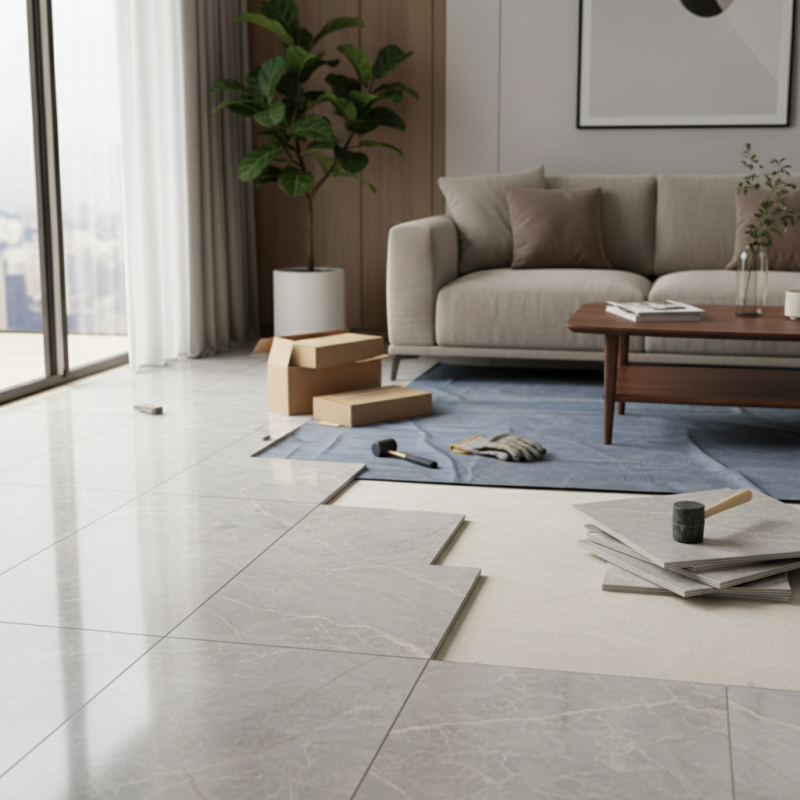
SPC tile flooring has gained immense popularity in home renovations due to its unique composition and practical benefits. SPC stands for Stone Plastic Composite, which makes these tiles durable and resistant to wear. Homeowners appreciate these tiles because they mimic the look of natural stone and hardwood. Yet, they are lighter and easier to handle during installation.
The water-resistant feature of SPC tiles is another reason for their appeal. This makes them perfect for kitchens and bathrooms, where spills are common. Homeowners can clean them easily, which saves time on maintenance. However, some may find that the texture can feel different from traditional flooring options.
SPC tiles come in various designs, offering versatility in aesthetics. They can fit different interior styles, from modern to rustic. While the benefits are numerous, some may be concerned about their environmental impact. The production process involves plastic, which can be a drawback. It’s essential to weigh these aspects when considering SPC tiles for your renovation project.
SPC tile flooring has gained popularity due to its key features. Durability is one of its standout qualities. Studies show that SPC flooring can withstand heavy foot traffic and is resistant to scratches and dents. In fact, SPC tiles are designed to handle a wear layer thickness of up to 20 mils, which is substantial compared to traditional vinyl. This makes them suitable for high-traffic areas in homes, such as kitchens and living rooms.
Aesthetics play a vital role in home renovation choices. SPC tiles come in a variety of styles and finishes, mimicking the look of natural materials like wood or stone. This versatility allows homeowners to achieve their desired look without sacrificing durability. According to industry reports, over 70% of homeowners prioritize visual appeal in flooring options. However, while SPC offers many visual choices, some may find that it lacks the warmth and texture of genuine wood or stone.
Maintenance is another critical aspect. SPC flooring is known for its easy upkeep. Regular sweeping and occasional mopping with a pH-neutral cleaner can keep it looking fresh. A report from the National Floor Covering Association highlights that 80% of homeowners prefer flooring that requires minimal maintenance. Despite its many advantages, some users report that improper installation can lead to issues like gaps or lifting. Careful consideration is necessary during the installation process to avoid such problems.
When considering SPC (Stone Plastic Composite) tile flooring, selecting the right brand is crucial for your home renovation. Top brands emphasize durability, water resistance, and aesthetic appeal. High-quality SPC tiles can withstand everyday wear while maintaining their beauty. Many options mimic natural materials like wood and stone, creating a warm and inviting atmosphere.
Brands that specialize in SPC tile flooring often invest in advanced technology. This ensures their products remain resilient in various environments. The protective layers in these tiles provide added resistance to scratches and stains. Choosing the right brand can feel overwhelming. Researching customer reviews and expert opinions can guide you. Ensure you’re looking for options that balance quality and affordability.
It’s also vital to consider the installation process. Some products are easier to install than others. This can save time and effort during renovation. If you're unsure, consulting with professionals can clarify the best choices for your space. Ultimately, the goal is to create a beautiful and functional home that stands the test of time.
When considering flooring for home renovations, SPC flooring and traditional tile options often come into play. SPC, or Stone Plastic Composite, has become popular due to its unique properties. It combines durability with a wood-like appearance. This makes it an attractive choice for various home styles. On the other hand, traditional tiles offer timeless elegance and resilience but can be cold and uncomfortable underfoot.
SPC flooring is waterproof, making it ideal for high-moisture areas like kitchens and bathrooms. It also absorbs sound better than traditional tiles, creating a quieter environment. However, some users have noted that SPC may feel less sturdy compared to ceramic or porcelain tiles. The installation process for SPC is generally easier and can often be done without professional help. Yet, the lack of professional installation may lead to uneven surfaces if not done carefully.
Traditional tiles have a long history and are often seen as a more reliable option. They are heavy and can withstand substantial wear over time. But their installation requires expertise, adding to the overall cost. Furthermore, tile can crack and chip under heavy impacts, which raises concerns about longevity. As homeowners weigh these options, understanding the trade-offs is essential for making an informed decision.
When installing SPC tile flooring in your home, careful planning is essential. Begin by assessing the subfloor. It should be clean, dry, and level. Any imperfections might lead to issues, such as warping or gaps. Use a leveling compound if needed. This preparation step directly impacts the overall finish of your floor.
Consider the acclimation of tiles before installation. Allow them to sit in the room for at least 48 hours. This helps prevent expansion or contraction once installed. During the installation, maintain a consistent gap around the edges for expansion. A simple spacer tool can help with this.
Always check the manufacturer's guidelines for specific instructions. Sometimes, the installation process can seem daunting. Mistakes may happen, but learning from them is vital. If misalignment occurs, don’t hesitate to correct it earlier rather than later. Focus on achieving a seamless, professional look, even if it takes extra time.
| Flooring Type | Thickness | Water Resistance | Durability Rating | Installation Method |
|---|---|---|---|---|
| Luxury SPC Tile | 5 mm | Highly Water Resistant | Commercial Grade | Click Lock |
| Standard SPC Tile | 4 mm | Water Resistant | Residential Grade | Glue Down |
| Textured SPC Tile | 6 mm | Waterproof | High Durability | Loose Lay |
| Wood-Look SPC Tile | 7 mm | Highly Water Resistant | Residential Grade | Click Lock |
: SPC stands for Stone Plastic Composite. It’s durable and resistant to wear.
SPC tiles mimic natural stone and wood. They are lighter and easy to install.
Yes, they are water-resistant, perfect for kitchens and bathrooms.
Cleaning is easy and saves time, but some may find the texture different.
Yes, they come in many designs, suitable for modern and rustic styles.
SPC production involves plastic, raising some environmental impact concerns.
Installation is generally easier than traditional tiles, but uneven surfaces can arise.
SPC is waterproof and quieter, but some feel it's less sturdy than ceramic tiles.
Look for quality options, consider installation ease, and read customer reviews.
Traditional tiles are heavy and durable, but installation requires expertise and can be costly.
SPC tile flooring has gained significant popularity in home renovations due to its impressive combination of durability, aesthetics, and low maintenance requirements. Made from stone plastic composite, SPC tiles are designed to withstand heavy foot traffic and resist moisture, making them an ideal choice for various areas in the home, including kitchens and bathrooms. Homeowners are increasingly drawn to the wide range of designs that mimic natural materials while being easier to care for compared to traditional tiles.
When considering SPC tile flooring, it's essential to weigh its advantages against conventional tile options. While SPC offers advantages like better resilience and easier installation, traditional tiles might still appeal to those looking for specific aesthetics. For successful installation, homeowners should keep in mind essential tips and considerations to ensure longevity and performance of SPC tile flooring in their renovations. Overall, SPC tile flooring presents a practical and stylish solution for modern home improvements.

Senli New Material