The demand for Non Slip Waterproof Flooring continues to rise globally. According to a recent study by MarketsandMarkets, the global flooring market is expected to reach $450 billion by 2025. This growth highlights the increasing interest in durable and safe flooring options. Homeowners and businesses prioritize safety, especially in areas with high moisture exposure.
Non slip waterproof flooring is crucial in preventing accidents in wet environments. Research by the National Safety Council indicates that slip and fall accidents account for over 8 million visits to emergency rooms annually. Therefore, investing in quality flooring materials becomes essential to enhance safety. Various options exist, from vinyl to laminate, each offering unique benefits.
Choosing the right flooring should balance aesthetics and functionality. Many buyers overlook the long-term implications of their flooring choices. Some materials may look appealing but may not perform well under wet conditions. Thus, awareness of the various Non Slip Waterproof Flooring options is necessary for informed decision-making.
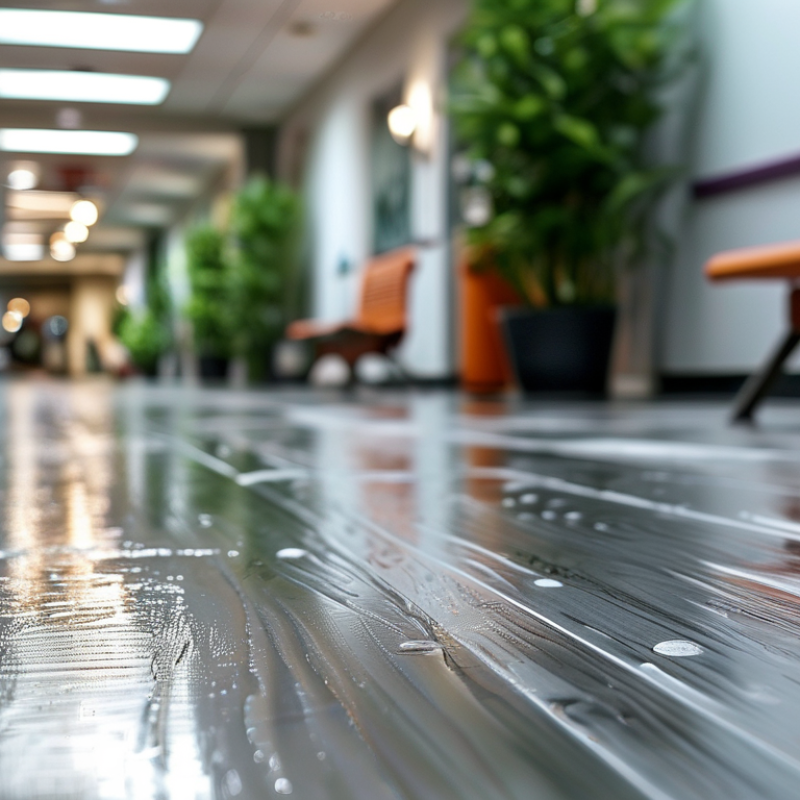
When considering non-slip waterproof flooring for high-traffic areas, several materials stand out. Vinyl flooring is a popular option. It’s easy to clean and resistant to moisture. This makes it suitable for kitchens and bathrooms. Look for products with textured surfaces to enhance slip resistance. However, not all vinyl options offer the same durability. Some might wear down quickly under heavy foot traffic.
Another great choice is porcelain tile. It provides a robust surface, ideal for busy environments. Porcelain is fired at high temperatures, making it water-resistant. With proper installation, it becomes a long-lasting solution. Tactile finishes on tiles can significantly improve traction. But keep in mind that grout lines can be a maintenance concern. Regular cleaning is necessary to prevent slip hazards.
Rubber flooring offers flexibility and comfort. It absorbs shock, making it suitable for gyms and play areas. However, rubber can sometimes be prone to staining. Choosing the right color can minimize visibility of dirt. Each material has its strengths and weaknesses. Ultimately, the right choice depends on specific needs and conditions.
Non-slip waterproof flooring has become a popular choice for residential spaces due to its practical benefits. According to a recent industry report, over 70% of homeowners prioritize durability and safety when selecting flooring materials. This flooring type addresses both concerns effectively, making it suitable for high-traffic areas like kitchens and bathrooms.
Research highlights that textured surfaces enhance grip, reducing slip accidents by up to 50%. These surfaces offer additional peace of mind for families with children or elderly members. Many materials, such as vinyl and tile, now come in non-slip varieties, making them stylish yet functional. Furthermore, advancements in manufacturing technologies contribute to the development of more reliable products.
However, it’s essential to note that not all non-slip flooring is created equal. Some options may wear down faster than expected, especially in humid conditions. Homeowners should evaluate the expected lifespan and maintenance requirements of these materials. Regular cleaning and proper care can extend the life of non-slip flooring. Despite these challenges, with informed choices, homeowners can enhance safety while enjoying aesthetically pleasing interiors.
When considering non-slip waterproof flooring, durability and maintenance are crucial factors. High-traffic areas demand robust solutions. Materials like vinyl and rubber excel in these environments. They withstand heavy foot traffic while resisting moisture. This makes them ideal for homes and commercial spaces alike.
Proper maintenance is essential for longevity. Regular cleaning with mild detergents can prevent buildup of grime. For instance, a simple damp mop can keep surfaces looking fresh. However, some materials may require more periodic sealing or treatments. It's important to follow manufacturer guidelines to maintain the floor’s protective layers.
Additionally, some users find it challenging to choose the right finish. The wrong texture may feel slippery even when labeled "non-slip." It’s advisable to test samples in real-life conditions. Balancing aesthetics with functionality can be tricky, but informed choices lead to better outcomes. It’s a decision worth careful consideration.
| Flooring Type | Material | Durability | Maintenance Level | Cost (per sq ft) |
|---|---|---|---|---|
| Vinyl Plank | PVC | High | Low | $2 - $5 |
| Ceramic Tile | Ceramic | Very High | Medium | $3 - $10 |
| Laminate Flooring | HDF | Medium | Low | $1 - $4 |
| Engineered Wood | Wood Veneer | High | Medium | $4 - $8 |
| Rubber Flooring | Rubber | Very High | Low | $3 - $7 |
When considering non-slip waterproof flooring, cost becomes a crucial factor for buyers worldwide. According to a market analysis by IBISWorld, the average cost of vinyl flooring ranges from $2 to $7 per square foot. This makes it a budget-friendly option for many. However, while affordable, the longevity and maintenance needs must be factored in. Lower-priced vinyl may not hold up as well over time, leading to higher replacement costs.
Ceramic tile, another popular choice, typically costs between $3 and $15 per square foot. Its durability and water resistance are significant advantages. However, installation can be labor-intensive, adding to the overall cost. A study from the National Tile Contractors Association states that professional installation could increase total expenses by 50% or more. Buyers need to weigh initial savings against potential long-term expenses.
For those prioritizing performance over price, rubber flooring may be appealing. Though its cost ranges from $8 to $15 per square foot, it offers superior traction and slip resistance. While the initial investment is higher, maintenance and replacement often make it a worthy consideration. It’s essential to assess how frequently the area will be used and the likelihood of wear and tear when making a choice.
The demand for non-slip waterproof flooring has increased globally. Many consumers prioritize safety and durability in their purchasing decisions. The shift towards open living spaces and outdoor usage has driven the need for flooring solutions that combine functionality with aesthetic appeal.
Trends show a marked increase in the popularity of eco-friendly materials. Buyers seek options made from sustainable resources. Innovations in flooring technology contribute to this trend, creating products that resist moisture and offer slip resistance. Effective marketing emphasizes these features, attracting buyers looking for both safety and style.
When selecting non-slip waterproof flooring, consider the installation process. Some materials are easier to install than others, decreasing labor costs. Always research the slip ratings of the flooring, as not all products provide equal protection. Test samples in various conditions to evaluate performance and texture. This practice can help avoid regrets after installation. Remember, not every option may suit your specific needs.
: Durability and maintenance are crucial factors. High-traffic areas need robust materials like vinyl and rubber.
Regular cleaning with mild detergents is essential. A damp mop can keep surfaces looking fresh.
No, some may need periodic sealing or treatments. Always follow manufacturer guidelines for longevity.
Test samples in real-life conditions. The wrong texture may feel slippery, affecting safety.
Vinyl flooring ranges from $2 to $7 per square foot. It's budget-friendly but check longevity factors.
Yes, installation can add 50% or more to total costs. Consider the labor involved with ceramic tiles.
Rubber ranges from $8 to $15 per square foot. It offers superior traction and may save on replacements.
Balance initial savings against potential long-term expenses. Consider how often the area will be used.
Yes, lower-priced options may not hold up well over time, leading to increased replacement costs.
Balancing aesthetics and functionality can be tricky. Careful consideration is necessary for better outcomes.
The article explores the diverse options available for Non Slip Waterproof Flooring, particularly suited for high traffic areas and residential spaces. It highlights the best materials that not only provide safety through slip resistance but also ensure durability in demanding environments. The discussion includes the maintenance requirements of these flooring solutions, offering valuable insights for homeowners and builders.
Additionally, the article provides a cost analysis of different Non Slip Waterproof Flooring types, aiding buyers in making informed decisions based on their budget. Moreover, it examines global trends in the demand and supply of these flooring options, reflecting the increasing emphasis on safety and functionality in interior design.

Senli New Material