Stone Plastic Composite Flooring is rapidly becoming a popular choice among homeowners and builders. It combines the durability of stone with the comfort of vinyl. According to a report by Market Research Future, the global flooring market is expected to reach $450 billion by 2025, with composite flooring leading the way in growth. This trend reflects a significant shift towards more resilient and eco-friendly materials.
Many consumers appreciate the waterproof and scratch-resistant features of Stone Plastic Composite Flooring. These qualities make it ideal for high-traffic areas such as kitchens and living rooms. Data from the North American flooring industry shows that SPCI products have increased in demand by over 30% in the last year, indicating a strong market preference. However, buyers should also be aware of potential challenges. Installation can be tricky without professional guidance, and the range of design options can be overwhelming.
Ultimately, investing in Stone Plastic Composite Flooring offers multiple benefits. Yet, it’s essential to weigh the pros and cons carefully. While the durability and aesthetics are compelling, the installation process deserves close attention. With informed decisions, buyers can truly enhance their living spaces.
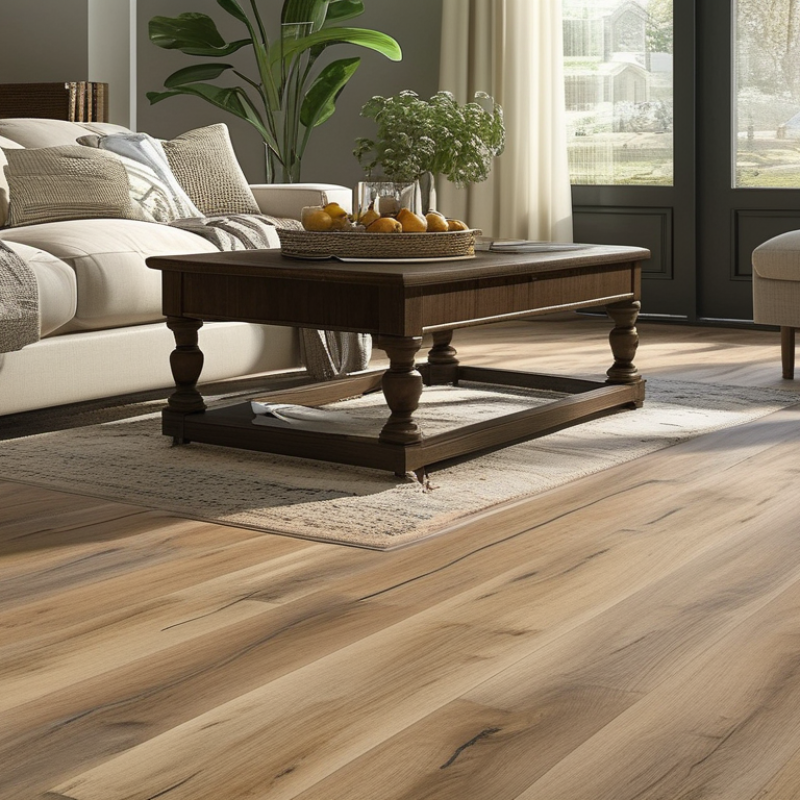
Understanding Stone Plastic Composite Flooring
Stone Plastic Composite (SPC) flooring has emerged as a popular choice among homeowners and builders. This innovative material marries the beauty of stone with the durability of plastic. SPC flooring is crafted using limestone and polyvinyl chloride, creating a rigid core that provides excellent resilience. It is waterproof, making it suitable for areas prone to moisture. Many buyers appreciate this feature for kitchens and bathrooms.
Installation of SPC flooring is straightforward, often featuring a click-lock design that simplifies the process. Homeowners can easily lay the flooring without specialized tools. This accessibility is a significant factor for DIY enthusiasts. However, some may find the initial cost to be higher compared to traditional flooring options like laminate or vinyl.
Comfort is another key aspect of SPC flooring. It offers better cushioning than rigid alternatives, which can be important for families with children or elderly members. The soundproof qualities help reduce noise, enhancing the overall ambiance of any space. While SPC has many advantages, it is essential to assess individual needs before making a decision.
Durability and Longevity of SPC Flooring
Stone Plastic Composite (SPC) flooring is gaining popularity due to its impressive durability and longevity. According to industry reports, SPC flooring can last over 20 years when maintained properly. With an exceptional resistance to moisture, SPC is ideal for areas prone to spills and humidity, making it a great choice for kitchens and bathrooms. Testing shows that SPC flooring is five times more durable than traditional hardwood.
Tips: Regular cleaning enhances its lifespan. Simply sweeping or vacuuming can prevent grime buildup, ensuring your floor remains pristine.
SPC flooring is designed to withstand heavy foot traffic. This quality makes it suitable for both residential and commercial spaces. Studies indicate that its density helps resist scratches and dents, which is a common issue with softer flooring options. Many homeowners appreciate its ability to mimic natural materials without the drawbacks.
Tips: Avoid using harsh chemicals for cleaning. Milder solutions help maintain the floor’s surface integrity over time.
While SPC flooring offers remarkable advantages, it is essential to consider installation methods. Improper installation can lead to problems like buckling and uneven surfaces. It's important to adhere to the manufacturer’s guidelines for best results. Investment in quality flooring deserves careful planning and execution to realize its full potential.
Top 10 Benefits of Stone Plastic Composite Flooring
Cost-Effectiveness Compared to Traditional Flooring Options
Stone Plastic Composite (SPC) flooring offers an impressive cost-effectiveness compared to traditional options. Installation costs are typically lower, saving buyers time and money. SPC flooring is easy to install, often requiring no glue or nails. The snap-together mechanism accelerates the process, reducing labor costs significantly.
Moreover, this type of flooring demands less maintenance, translating into long-term savings. Unlike hardwood, SPC does not require regular refinishing or intensive care. It resists scratches, stains, and moisture, making it last longer. Homeowners can save on cleaning supplies and repair costs with this resilient option.
However, some may overlook the environmental impact of SPC flooring. Despite its benefits, the production process can have its drawbacks. Buyers should consider the lifecycle of the product. Exploring eco-friendly options may require additional research. Balancing cost-effectiveness and sustainability is crucial for thoughtful purchasing decisions.
Comfort and Aesthetic Appeal of SPC Flooring
Stone Plastic Composite (SPC) flooring offers unique comfort and aesthetic appeal that can transform any living space. The surface is designed to mimic natural materials, providing a rich, realistic look without the maintenance challenges that come with them. The textures and colors available are diverse, allowing homeowners to create personalized atmospheres in their homes. Whether you prefer a rustic wood finish or sleek stone, SPC can meet various design needs.
Comfort is another crucial feature of SPC flooring. Its multilayer structure includes a rigid core that adds stability while enhancing underfoot comfort. The flooring remains cool in the summer and warm in the winter, promoting a pleasant indoor environment. However, some users find it lacks the warmth of traditional hardwood. Acoustic properties are decent, though foot traffic can create more noise in an open space. The trade-offs might challenge your expectations, but many find it a worthy investment in modern homes. The visual appeal combined with physical comfort makes SPC flooring an attractive option for many homeowners.
Easy Installation and Maintenance Benefits of SPC Flooring
Stone Plastic Composite (SPC) flooring has gained popularity due to its easy installation and maintenance benefits. Homeowners appreciate that SPC can often be installed over existing floors, eliminating the need for messy and time-consuming demolition. According to industry reports, installation labor costs can be reduced by up to 50% when using SPC. This is beneficial for budget-conscious buyers.
Maintenance for SPC flooring is straightforward. It requires only regular sweeping and occasional mopping. A report from the National Wood Flooring Association states that SPC is resistant to water and stains, making it ideal for high-traffic areas. This durability means less frequent replacement or repair, saving both time and money.
Tip: Use a damp mop with a mild detergent for regular cleaning. Avoid harsh chemicals that can damage the surface.
While SPC flooring is robust, it is essential to ensure proper acclimation to your space. If improperly installed, gaps may appear over time. This could lead to a need for repair, negating some benefits.
Tip: Always check for humidity levels prior to installation. This simple step can enhance the longevity of your flooring.
Top 10 Benefits of Stone Plastic Composite Flooring for Buyers
| Benefit |
Description |
| Durability |
SPC flooring is resistant to heavy foot traffic, scratches, and dents due to its strong core. |
| Water Resistance |
It is highly resistant to moisture, making it ideal for bathrooms and kitchens. |
| Easy Installation |
SPC can be installed easily over existing floors without the need for adhesive. |
| Low Maintenance |
Requires minimal upkeep, usually just sweeping and mopping to keep it clean. |
| Variety of Styles |
Available in numerous designs and colors to match any decor. |
| Comfort Underfoot |
SPC flooring offers a comfortable feel underfoot compared to hard surfaces. |
| Eco-Friendly |
Made with recyclable materials, SPC flooring is an environmentally conscious choice. |
| Sound Absorption |
Helps reduce noise transmission between floors. |
| Cost-Effective |
Offers a balance of aesthetic appeal and affordability, making it a smart investment. |
Conclusion
Stone Plastic Composite Flooring (SPC) offers a range of benefits that make it an attractive option for homeowners and buyers. Understanding its construction reveals that SPC is designed for durability and longevity, making it a reliable choice that withstands the test of time. In comparison to traditional flooring options, SPC flooring is also cost-effective, providing superior performance at a lower price point.
Beyond financial aspects, SPC flooring provides both comfort and aesthetic appeal, enhancing the look and feel of any space. Its easy installation and minimal maintenance requirements further add to its practicality, making it a convenient option for busy households. Overall, the numerous advantages of Stone Plastic Composite Flooring position it as a smart investment for anyone looking to upgrade their flooring.

 Senli New Material